Roofing for Multi-Location Retail Around Worcester
Retail chains with stores along Route 9, Route 20, and the strip centers scattered through Worcester County don't call us for one roof , they call for a program across five, ten, or twenty locations, each with its own lease terms, store hours, and construction restrictions. We built our retail process around managing that as a single account, not a stack of separate jobs.
One Point of Contact Across Every Store
A retail facilities manager overseeing stores from Worcester out to Auburn and Millbury doesn't want to coordinate separately with a different local roofer at each address. We run multi-location retail accounts through a single point of contact who tracks every store's roof age, warranty status, and repair history, so a call about one leaking store doesn't require re-explaining the account from scratch.
We also standardize reporting across every location in the account, using the same inspection format and photo documentation at every store so a regional manager can compare properties side by side.
Scheduling Around Store Hours and Sales Calendar
Retail roofing has a hard rule most other commercial work doesn't: nothing loud or disruptive during business hours, and nothing at all during a holiday freeze. Most retailers we work with lock down construction access from mid-November through early January, and we build our annual scheduling around that blackout window well before it hits.
For stores that stay open during repair work, we schedule tear-off and material staging before opening or after close, and we keep customer parking and entrances clear throughout, since a blocked entrance during business hours costs the store more than the roof repair itself.
- Big-box retail stores
- Grocery and supermarket locations
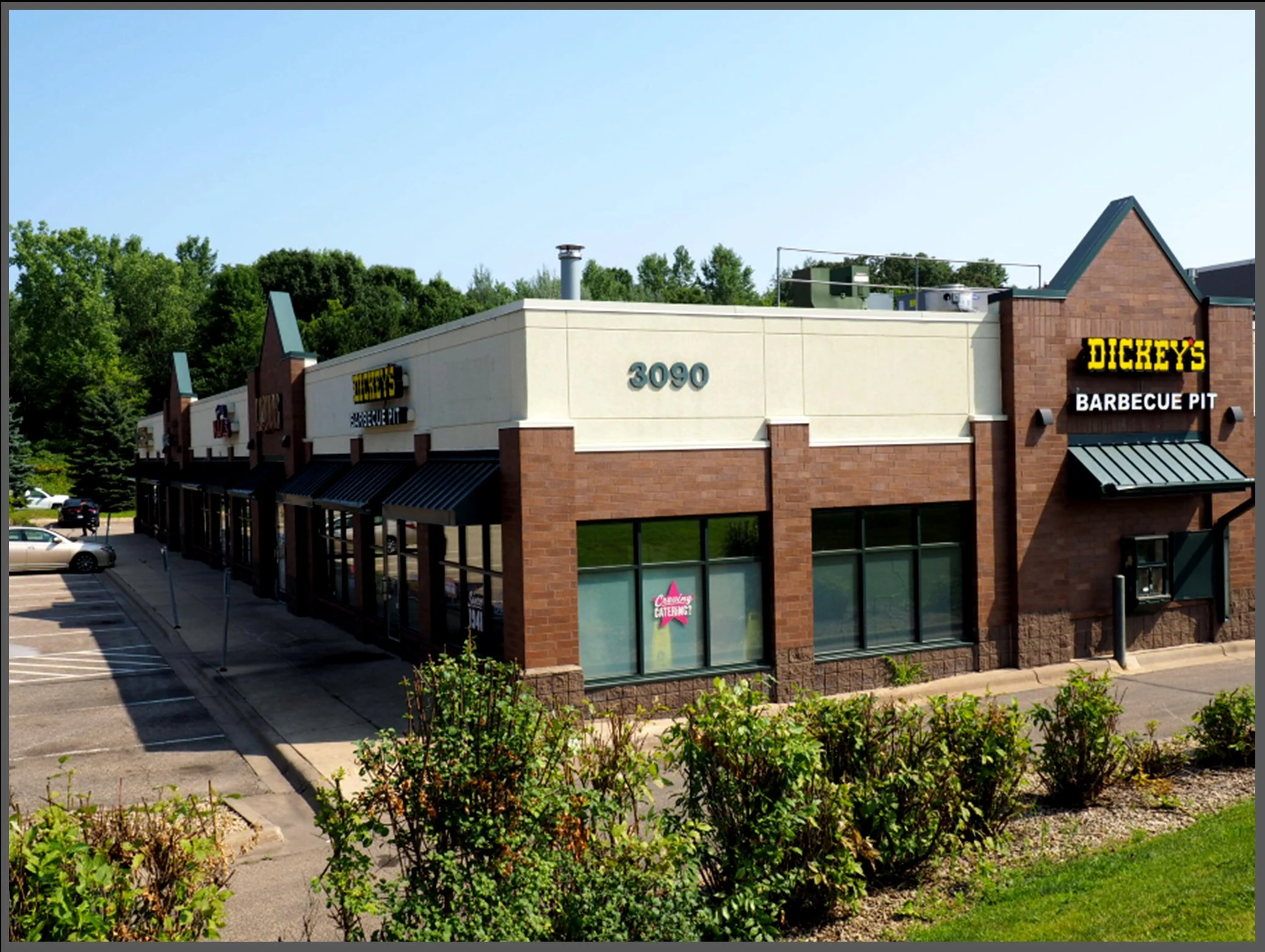
- Strip center and outparcel retail
- Quick-service and sit-down restaurants
- Auto parts and service center locations
- Bank branches and financial service outparcels
Fast Turnaround When a Store Can't Stay Closed
A retail store losing a day of sales to a roof leak is a real cost, so response speed matters more here than on most commercial account types. We prioritize emergency tarping and temporary dry-in for retail locations specifically because a closed store is more expensive to the operator than almost any other outcome we can prevent.
Where a full section needs replacement, we sequence the work to keep the sales floor open whenever the roof structure allows it, using containment below the work area rather than closing the store outright.
Budgeting Across a Store Portfolio
We give retail accounts a rolling roof condition summary across every location so capital planning can happen at the portfolio level instead of store by store. That means flagging which locations need replacement in the next one to two years versus which ones just need routine maintenance, so a regional facilities budget reflects real priorities rather than whichever store happened to call last.
Standard TPO replacement on a typical strip center or single-story retail box in this market runs roughly seven to twelve dollars a square foot installed, with older buildings needing more tear-off landing higher in that range.
Snow Removal and Winter Readiness at Retail Sites
Flat-roofed retail buildings need snow load monitoring the same way any other commercial roof does, but a retail site adds one more wrinkle , snow and ice sliding off a roof edge onto a customer sidewalk or parking area is a liability problem on top of a roofing one. We flag edge conditions that pose that risk during our winter readiness checks, separate from the structural snow load review itself.
Standardized Systems Across a Growing Store Count
Chains adding locations across Central Massachusetts often end up with roofs installed by whatever local contractor the developer used on each individual build, which means five different membrane brands and five different warranty terms across five stores in the same region. We recommend standardizing on a system and manufacturer across new locations wherever the prototype allows it, since a consistent specification simplifies both warranty tracking and future repair sourcing.
For existing stores with mismatched systems already in place, we don't force a standard mid-lease. We track each store's actual system and warranty status separately and fold new construction into the standardized approach going forward. Over time that produces a portfolio where warranty terms, repair history, and material specifications get simpler to manage with every store that gets added or renovated.
Questions From Retail Facilities Managers
Can you manage roofing across our entire regional store portfolio?
Yes, that's most of our retail work. We assign a single point of contact who tracks every store's condition and history across the account.
Do you work around a holiday construction freeze?
We plan our annual retail scheduling around that blackout window in advance, so nothing gets scheduled that would run into it unexpectedly.
How fast can you respond to a leak at an open store?
Emergency tarping is our first priority for retail calls specifically because a closed store costs the operator more than almost any other outcome. Most calls get a same-day response.
Can a store stay open during a full roof replacement?
Often, yes. We sequence work with containment below the work area so the sales floor can stay open whenever the roof structure and layout allow it.
What does a typical retail roof replacement cost per square foot?
Most single-story retail buildings in this market run seven to twelve dollars a square foot installed for a standard TPO system, depending on tear-off scope.