
SBS Modified Bitumen on Worcester's Older Building Stock
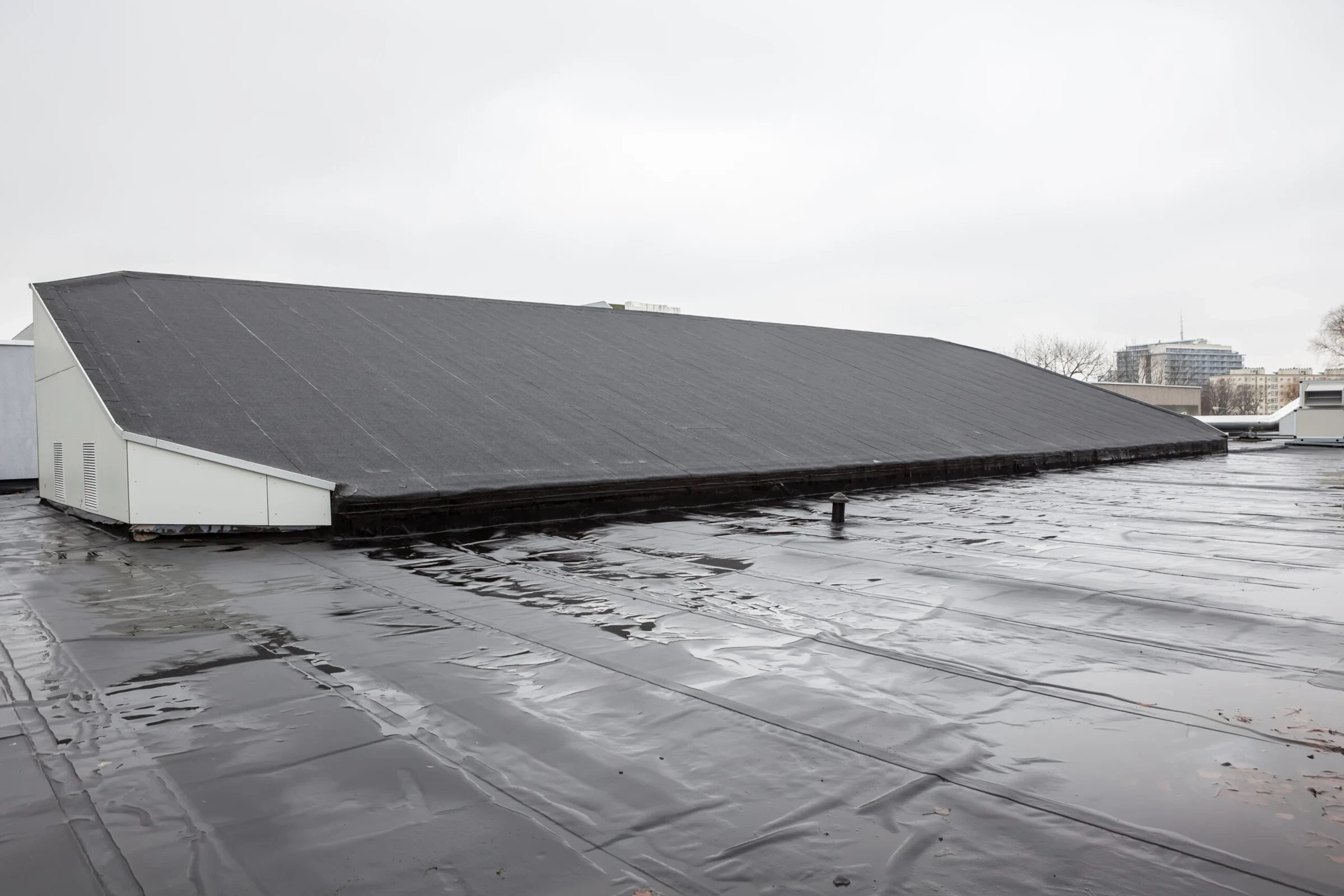
SBS modified bitumen is the roofing system a lot of Worcester's mill-conversion and older masonry commercial buildings were already carrying before we got involved, and it's still a system we spec fresh on some of them, particularly where a multi-ply, redundant assembly fits the building's roof deck and slope better than a single-ply membrane would.
A Multi-Layer System, Not a Single Sheet
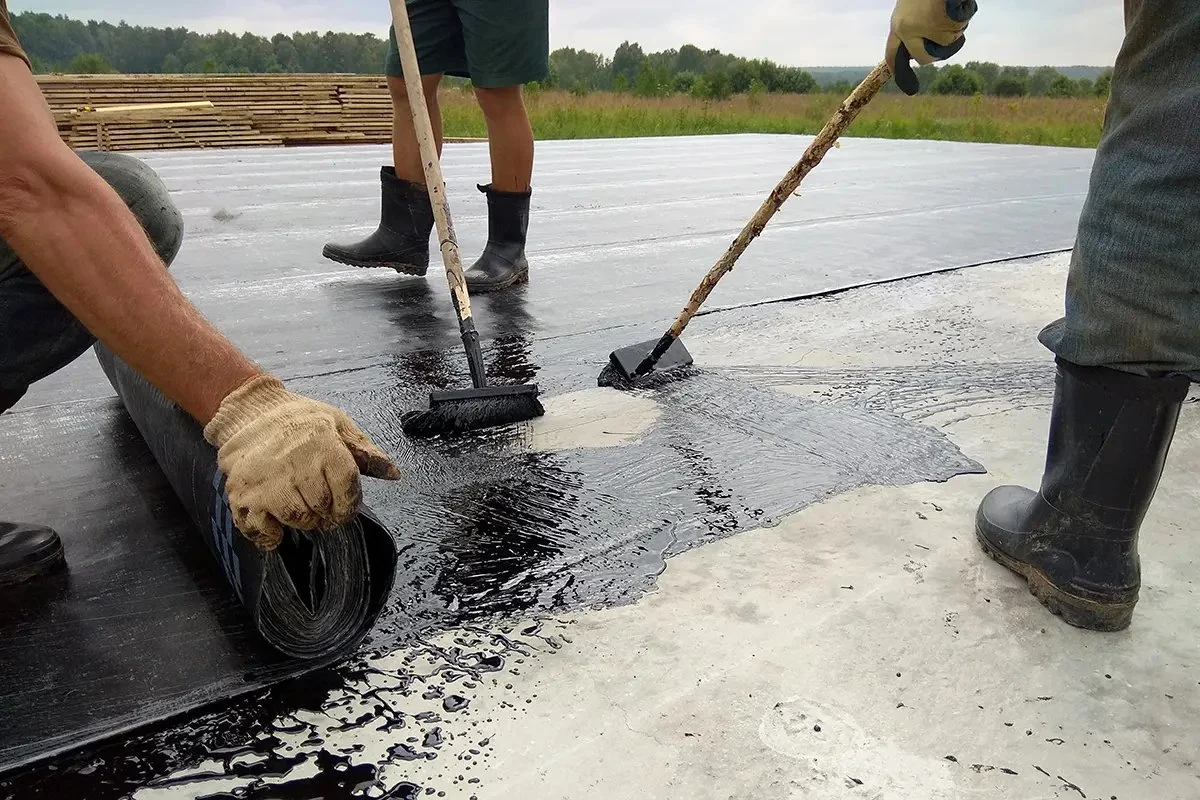
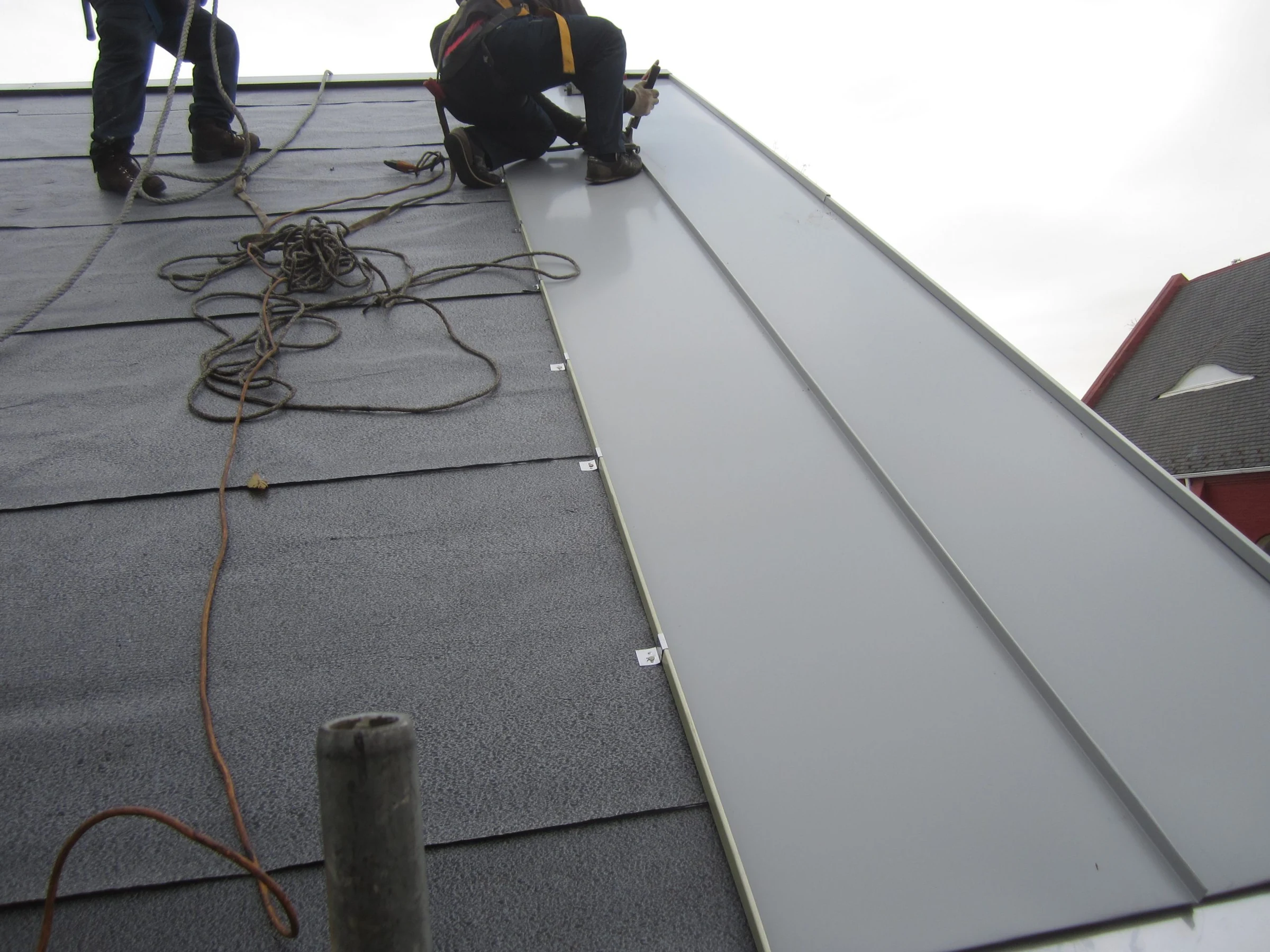
Unlike TPO, EPDM, or PVC, modified bitumen typically goes down as a base sheet and a cap sheet, sometimes with an additional ply depending on the assembly, each layer bonded by heat-welded torch application or by a self-adhered process on buildings where open flame near other tenants or nearby structures makes torch work impractical.
That layered redundancy is the system's core advantage: a puncture or seam issue in the top cap sheet doesn't necessarily compromise the base sheet beneath it, which matters on older buildings with a roof deck that's harder to fully inspect and where an owner wants a margin of error built into the assembly itself.
Where It Fits Worcester's Older Commercial Stock
A meaningful share of the buildings we work on near the Canal District and around Worcester's older industrial corridors were built with masonry parapets and roof decks from an earlier construction era, often with modest or irregular slope. Modified bitumen's multi-ply build tolerates that kind of deck condition better than a single-ply membrane that depends on a cleaner substrate and more consistent slope to perform at its rated life.
Torch application near a tightly built downtown block with close-set neighboring structures needs its own fire-safety planning, and on those jobs we look hard at self-adhered SBS sheets instead of open-flame torch work, trading some installation speed for a meaningfully lower fire risk during the reroof itself.
Ice Dams and Parapet Details on a Mod-Bit Roof
Masonry parapets on older buildings tend to be lower and less insulated than a modern parapet detail, which makes them a common spot for ice to form and back up during a Worcester winter. Modified bitumen's flashing details at those parapets rely on properly lapped and heat-sealed transitions, and we pay close attention to that transition zone specifically because it's where we see the most winter-related failures on older mod-bit roofs.
Granule-surfaced cap sheets, which are common in this system, also hold up differently to ice scraping and shoveling than a smooth membrane. We factor that into how we detail high-traffic snow-removal zones on a mod-bit roof, sometimes adding a smooth walkway strip rather than relying on the granule surface alone.
- Mill-conversion buildings with older masonry roof decks
- Downtown buildings where torch work needs fire-safety review
- Roofs with irregular slope that a single-ply system tolerates poorly
- Buildings wanting a redundant, multi-ply assembly over a single sheet
- Roofs with a documented parapet ice-dam history
Cost and Service Life Against Single-Ply
Installed cost for a full SBS modified bitumen system, including base and cap sheet labor, generally runs close to or slightly above 80-mil TPO per square foot, with the specific number depending heavily on whether torch or self-adhered application is used and how much tear-off the existing roof needs. Self-adhered systems typically cost more in material but less in labor risk and insurance considerations than torch work on a tight downtown site.
Service life for a properly installed SBS system runs comparable to a heavier single-ply membrane, and the redundant-ply construction can extend practical service life on a building where occasional surface repair, rather than full replacement, keeps the roof functional years past when a thinner single-ply sheet would need full replacement.
Base Sheet Attachment on Worcester's Older Decks
How the base sheet attaches to the deck, whether by mechanical fastening, hot asphalt, or self-adhered contact, depends on the deck material and condition underneath, and older Worcester buildings show real variation there, from original wood plank decking under later overlays to poured gypsum or concrete decks common in mid-century construction. We identify deck type and condition before specifying attachment method rather than defaulting to one approach across every mod-bit job.
A mismatched attachment method, like mechanically fastening into a deteriorated wood deck that can't hold fasteners securely, is one of the more common causes of early mod-bit failure we see on older buildings, which is why deck inspection comes before the attachment decision on every bid.
Questions About Modified Bitumen in Worcester
Is modified bitumen still a good choice or is it an outdated system?
It's a current, actively manufactured system, not a legacy holdover. On older buildings with irregular decks or slope, its multi-ply redundancy is a real advantage over single-ply membrane.
Is torch-applied mod-bit safe on a tightly built downtown block?
It requires careful fire-safety planning, and on close-set sites we often recommend self-adhered SBS sheets instead to avoid open flame near neighboring structures.
How does mod-bit handle ice dams at masonry parapets?
The flashing and lap details at the parapet are the highest-risk zone for winter failures, and we detail those transitions carefully on every mod-bit reroof for that reason.
Can modified bitumen be repaired without replacing the whole roof?
In many cases, yes. The multi-ply construction often allows a localized cap-sheet repair without disturbing the base sheet beneath it, which is one of the system's practical advantages.
How does mod-bit's cost compare to a single-ply membrane?
It generally runs close to a heavier single-ply system installed, with the exact number depending on application method and how much of the existing roof needs to come off first.