
Wind Uplift and Storm Damage Claims for Worcester Commercial Roofs
Central Massachusetts sees a mix of wind events that generate commercial roof claims , winter nor'easters, summer thunderstorm lines that move through fast and hard, and occasionally more severe wind events tied to the region's broader storm history. Wind damage claims live or die on whether the uplift pattern and its starting point got documented before repairs covered it up. We're your roofing contractor, not a public adjuster , we document and substantiate the roof damage so you and your adjuster work from an accurate scope.
Wind Events That Generate Worcester Roof Claims
Nor'easters bring sustained high wind over many hours, often combined with heavy precipitation, which is a different loading pattern than a fast-moving summer thunderstorm cell that hits hard for twenty minutes and moves on. Central Massachusetts has also seen tornado activity historically, and while that's a much less frequent event than a nor'easter or thunderstorm line, we document any storm claim the same way regardless of the wind source , by reading where the damage actually started and how far it spread, not by assuming a pattern based on the type of storm.
Wind Uplift Documentation
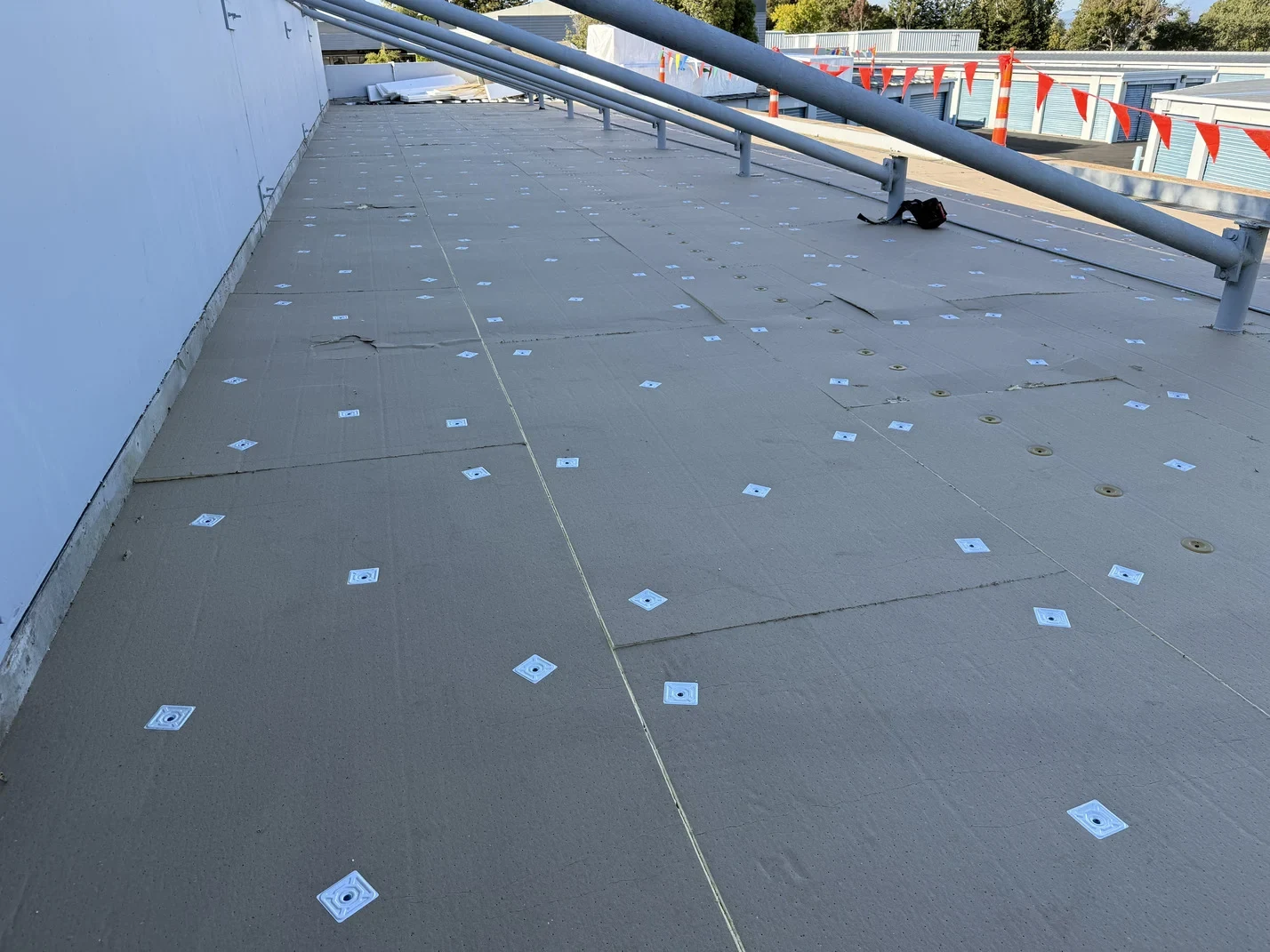
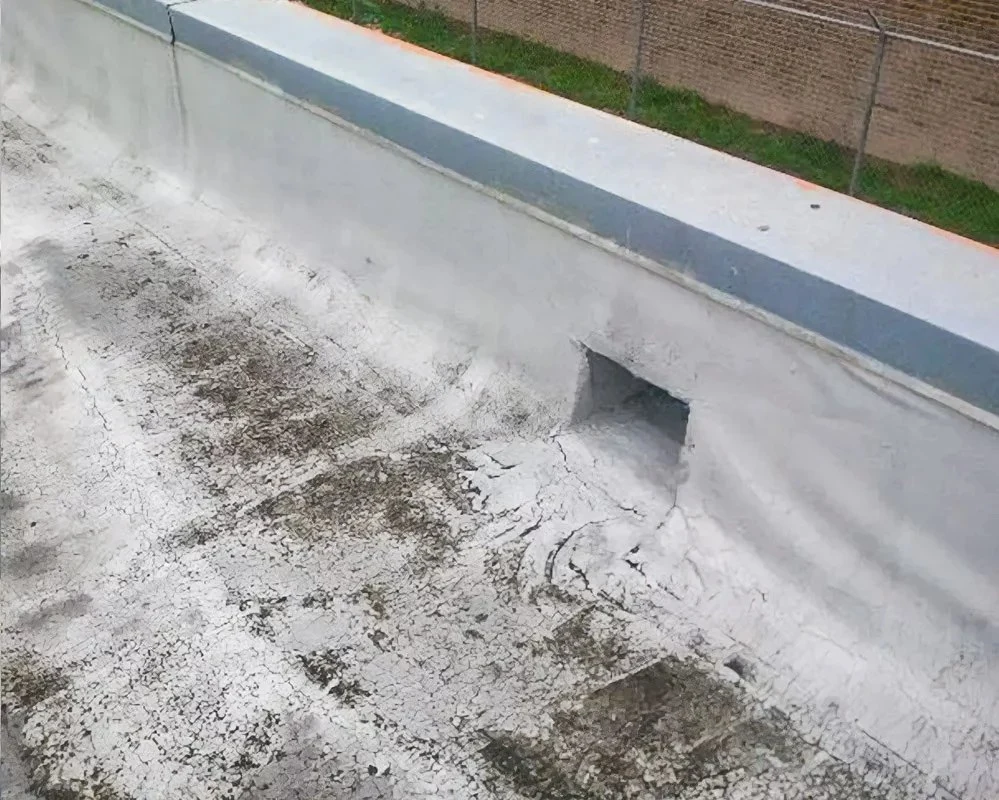
Wind pressure concentrates at roof corners and edges before it moves into the field, so that's where we look first after any wind event , lifted membrane, fasteners backing out, edge metal starting to peel. We photograph and measure the uplift starting point and log how far it's traveled into the field, because an adjuster reviewing the claim needs to see the difference between a corner that lifted and got re-secured versus uplift that's compromised a wider section of membrane.
Storm-Driven Debris and Structural Impact
Tree cover near commercial buildings , around Canal District mixed-use blocks, near campus buildings, along properties backing up to wooded buffer land , makes limb strikes a regular category of wind-event damage in this market. A limb impact usually means a membrane puncture at minimum, and we check the deck at the impact point before documenting a repair scope, since a hard enough strike can affect the deck itself in addition to the membrane above it. We document impact location, puncture depth, and any deck-level damage as separate line items from the surrounding wind-uplift damage, since they're different damage mechanisms even when they happen in the same storm.
When Wind Damage Overlaps With Pre-Existing Wear
Adjusters are trained to separate acute wind damage from ordinary membrane aging, and a roof that was already due for reroofing before the storm complicates that read. We describe what we observe factually , fresh seam separation consistent with wind uplift versus age-related granule loss or UV degradation unrelated to the event , because a documentation record that blurs that line slows a claim down rather than helping it. We're not making the coverage call on pre-existing versus storm-caused damage; we're providing the factual basis the carrier uses to make that call.
Wind and Storm Damage Claim Questions We Get
How do you tell wind damage from a roof that was already worn out?
We look at the physical signature , fresh membrane separation and fastener back-out at corners point to wind uplift, while granule loss or general seam brittleness across the field points to age. We document both factually rather than assuming one cause.
Why does wind damage usually start at the corners of the roof?
Wind pressure concentrates hardest at parapet corners and roof edges on a low-slope roof, so that's typically where membrane first lifts or fasteners first back out.
Does insurance cover a full membrane replacement after wind uplift, or just the damaged section?
That depends on how far the uplift extends and what the policy covers. We document the actual extent of the compromised field so the scope reflects the real damage rather than just the most visible section.
What should happen right after a storm, before you even call?
Get any active leaks tarped to prevent interior damage, but avoid clearing debris or cleaning up the roof itself before it's photographed, since that evidence is what supports the claim.
Do tree limb punctures need a special claim category?
Not a separate claim, but we document impact location, puncture depth, and any deck damage as distinct line items since a limb strike is a different damage mechanism than wind uplift, even in the same storm.