
60-Mil TPO on Worcester's Budget-Conscious Reroofs
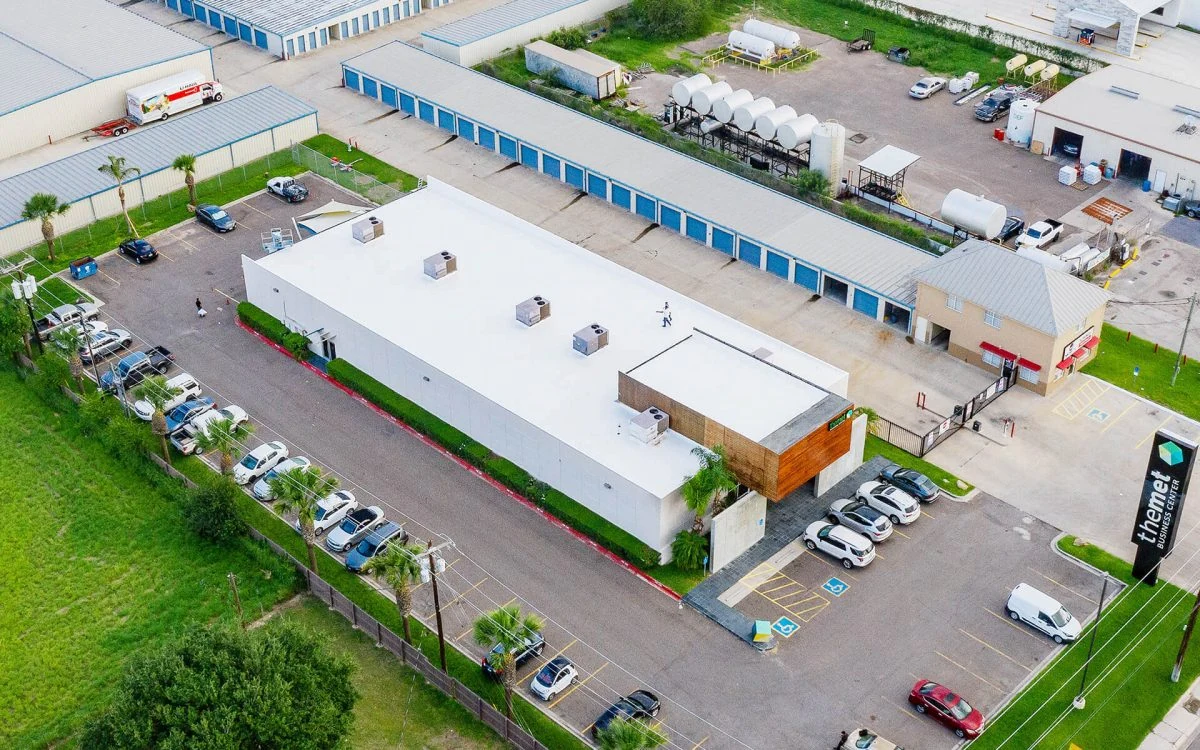
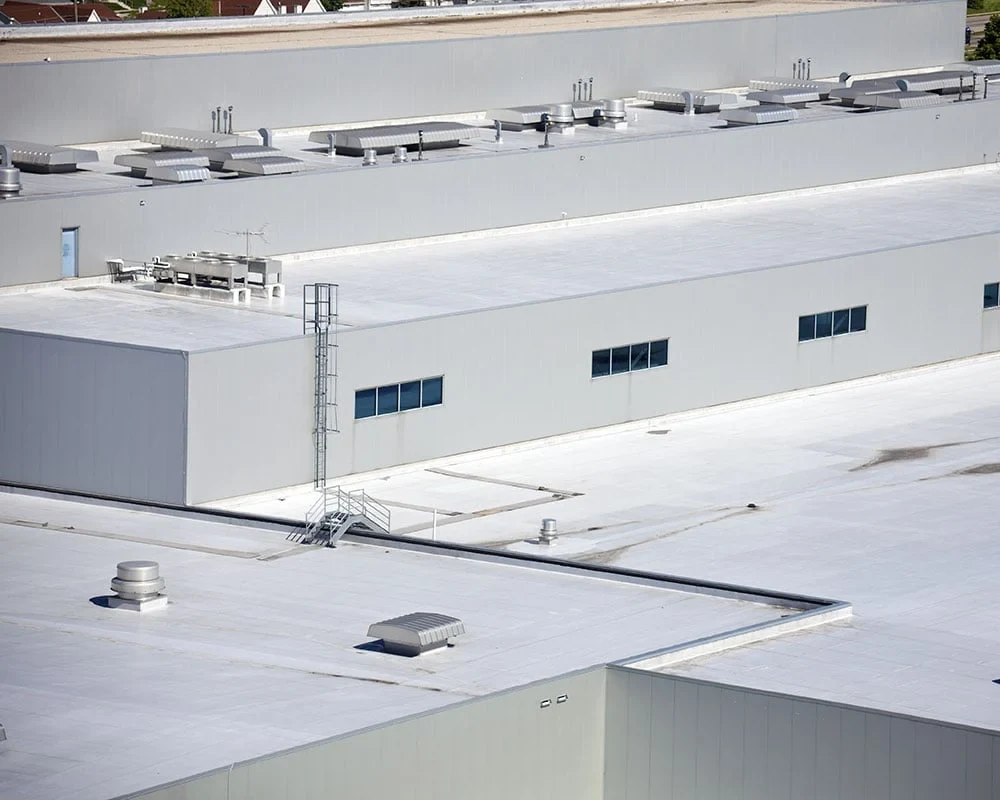
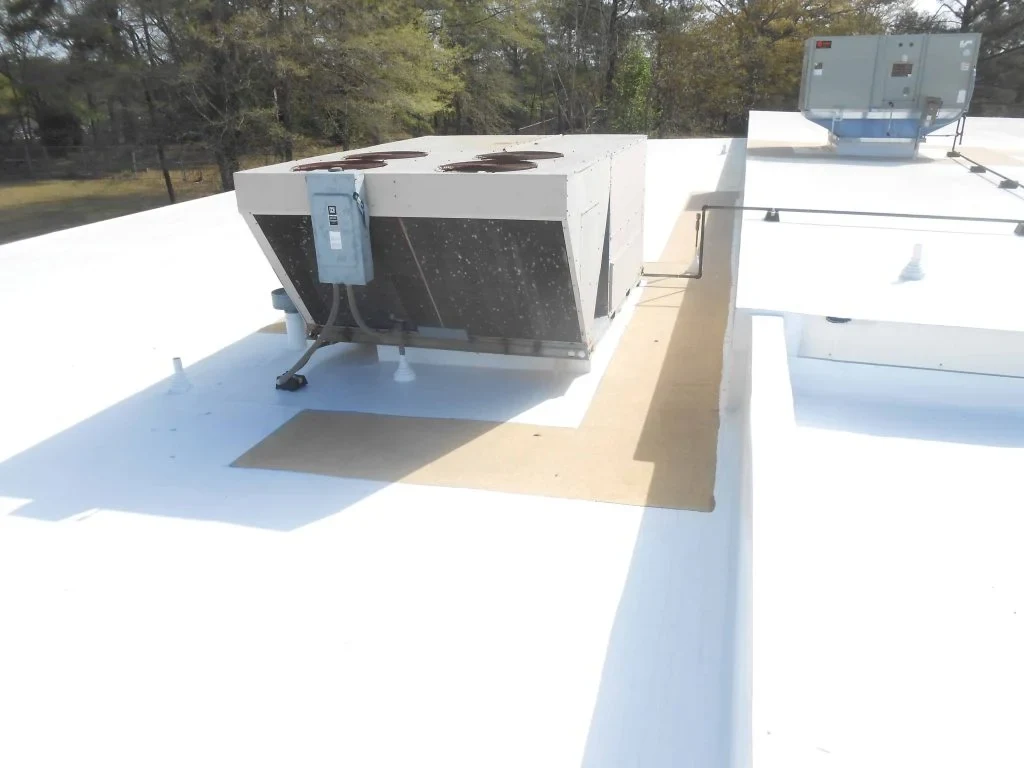
60-mil TPO is the field membrane we spec more often than any other product on this list, mostly because it clears the numbers on a straightforward mechanically attached reroof without charging an owner for thickness the building doesn't need. On strip retail along Route 9, small medical offices near UMass Memorial's satellite campuses, and commercial buildings scattered through the Blackstone Valley towns we serve out of Worcester, 60-mil stays the default membrane until the roof's traffic, penetration count, or snow-load profile pushes the spec somewhere else.
Why 60 Mil Clears the Budget First
On a simple low-slope roof with a clean metal or gypsum deck, a handful of pipe penetrations, and no rooftop foot traffic beyond an annual service call, a thicker sheet adds material cost without adding meaningful service life. We run the square-footage numbers against the roof's actual use before recommending 60-mil over 80-mil, and on most single-tenant retail and small office buildings, the thinner sheet wins that comparison.
The membrane itself carries the same TPO chemistry across gauges, so 60-mil isn't a lower grade of material, it's a thinner cross-section of the same white or gray reflective sheet. Weld strength, UV resistance, and reflectivity numbers track closely between 60 and 80 mil; the difference shows up mainly in puncture resistance and how the sheet holds up to repeated mechanical wear.
Snow Load Sets the Fastening Pattern, Not the Sheet Thickness
Worcester sits at a higher elevation and further inland than Boston, and roofs here carry a heavier design snow load than membranes speced for the coast. That load rating comes from the structural engineer's stamp on the building, not from the membrane manufacturer, and it drives how tightly we space mechanical fasteners across the field of a 60-mil roof, not whether we upgrade the gauge.
Wind uplift works the same way. A mechanically attached 60-mil field sheet needs a fastening pattern rated for the wind zone a nor'easter can generate off the back side of a low-pressure system tracking up the coast. We pull uplift numbers for every reroof rather than reusing a standard pattern from a different climate zone, because a pattern that's fine in a milder market can fall short here.
Welding a 60-Mil Seam Through a Massachusetts Winter
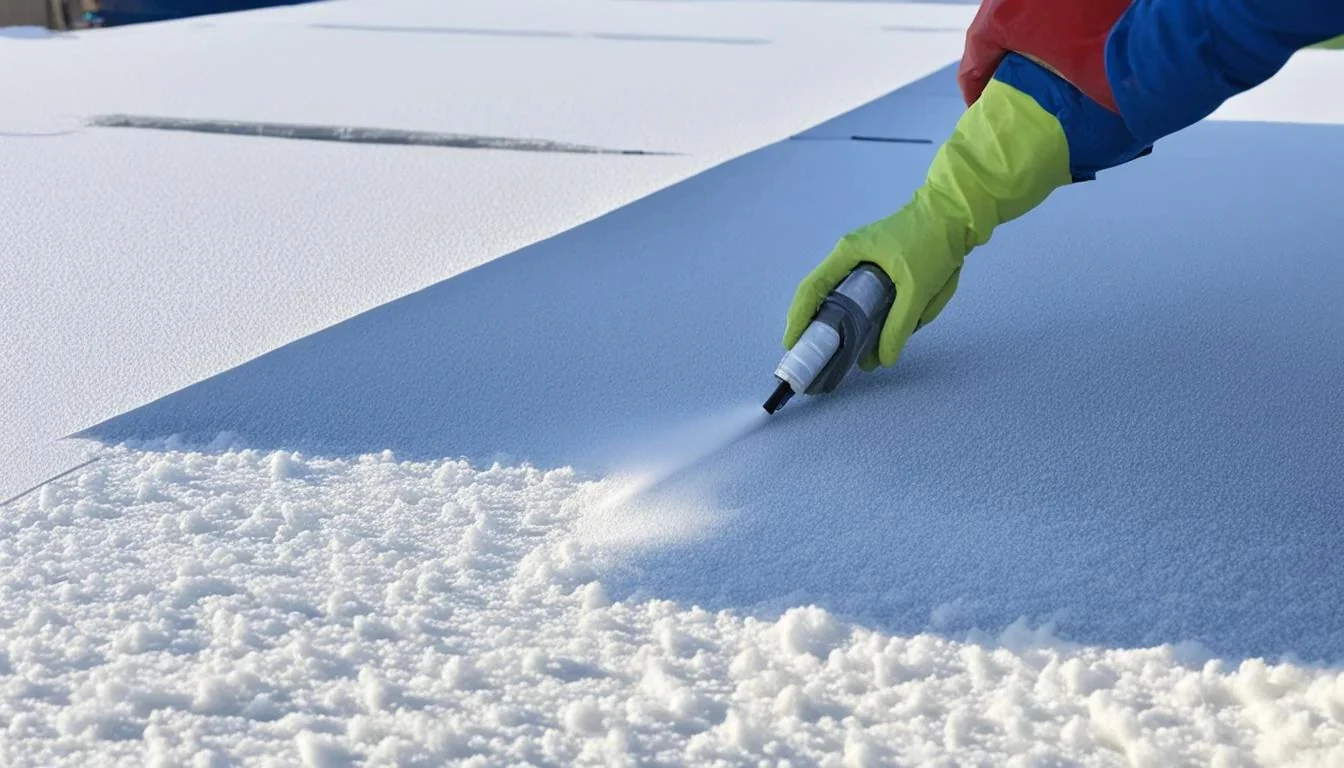
Hot-air welding TPO in cold ambient temperatures is a different process than welding it in July. Membrane stiffens as it cools, seam rollers need more pressure to set the weld, and welder speed and temperature both get dialed back to avoid a cold weld that looks bonded but pulls apart under stress. We adjust for outdoor temperature on every seam rather than running one factory setting across a whole reroof.
Freeze-thaw cycling is the longer-term concern. A 60-mil seam that goes through dozens of freeze-thaw cycles each Worcester winter takes more mechanical stress over its service life than the same seam in a warmer market, because ice forming and releasing at a lap edge works the bond in ways sustained heat never does. Weld quality at install matters more here than in a climate that doesn't put seams through that cycle every year.
- Single-tenant retail strips with low rooftop traffic
- Small medical and dental office buildings
- Self-storage facilities with simple metal decks
- Nonprofit and church buildings on tight reroof budgets
- Ground-floor commercial space under converted mill housing
- Small manufacturing shops with few roof penetrations
Where We Move Past 60 Mil
A roof that takes regular foot traffic for HVAC service, snow removal, or rooftop solar maintenance wears a 60-mil sheet faster than a roof nobody walks on. On hospital annex buildings and college mechanical penthouses around Worcester's dozen-plus campuses, where technicians are up on the roof routinely, we look at 80-mil or a fleece-backed sheet instead, because the extra puncture resistance pays for itself over a shorter number of service visits than an owner might expect.
Ballast wear at parapet edges and ice-dam zones is the other trigger. A 60-mil sheet at a low parapet where meltwater refreezes repeatedly through a Worcester winter takes more abrasion from ice movement than the same detail on a warmer roof, and we'll sometimes spec a heavier gauge or extra cover strip at just that zone rather than upgrading the whole field.
Cost Per Square Foot Against the Reroof Cycle
60-mil TPO installed mechanically attached runs below 80-mil and well below a fully adhered PVC or fleece-backed system on a straight per-square-foot basis. For an owner planning a 20-plus year hold on a building, that lower installed cost against a membrane that still carries a standard manufacturer warranty term often produces the better return than paying up front for thickness the roof's actual use doesn't call for.
We build the lifecycle comparison into every proposal: installed cost, expected service interval before recoat or recover, and the maintenance budget a thinner membrane needs versus a thicker one. An owner running several buildings across our service area usually wants that number in writing before signing, and we provide it rather than defaulting to a single gauge across every job.
What Worcester Building Owners Ask About 60-Mil TPO
Is 60-mil TPO durable enough for a New England winter?
Yes, on roofs without heavy foot traffic. The membrane chemistry doesn't change between gauges; thickness mainly affects puncture and wear resistance, not cold-weather performance.
Does 60-mil TPO need a different fastening pattern than 80-mil?
The pattern is driven by the building's engineered wind and snow load, not the membrane gauge, so two roofs with different sheet thicknesses in the same wind zone often use a similar fastener spacing.
Can 60-mil TPO be welded correctly in cold weather?
Yes, with adjusted welder settings and seam pressure. We treat cold-weather welding as a different process rather than running the same settings year-round.
When should I upgrade from 60-mil to a thicker or fleece-backed sheet?
When the roof sees regular foot traffic, has a high penetration count, or sits under heavy ice-dam exposure at the parapets. We flag that during the site walk rather than after the material's ordered.
How does 60-mil TPO compare in cost to modified bitumen or EPDM?
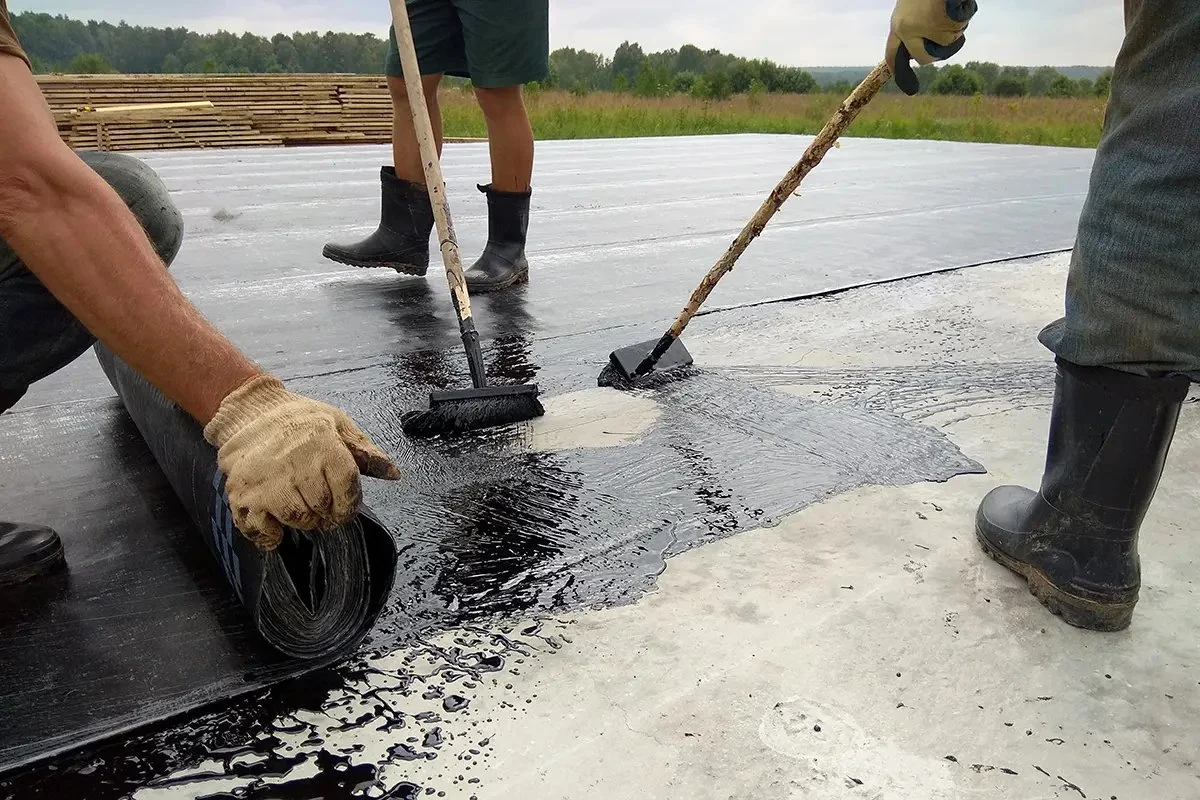
It typically prices close to standard EPDM and below a torch-applied modified bitumen system, though the right comparison depends on deck condition and the specific assembly each roof needs.