
White EPDM's Narrow but Real Fit in Worcester
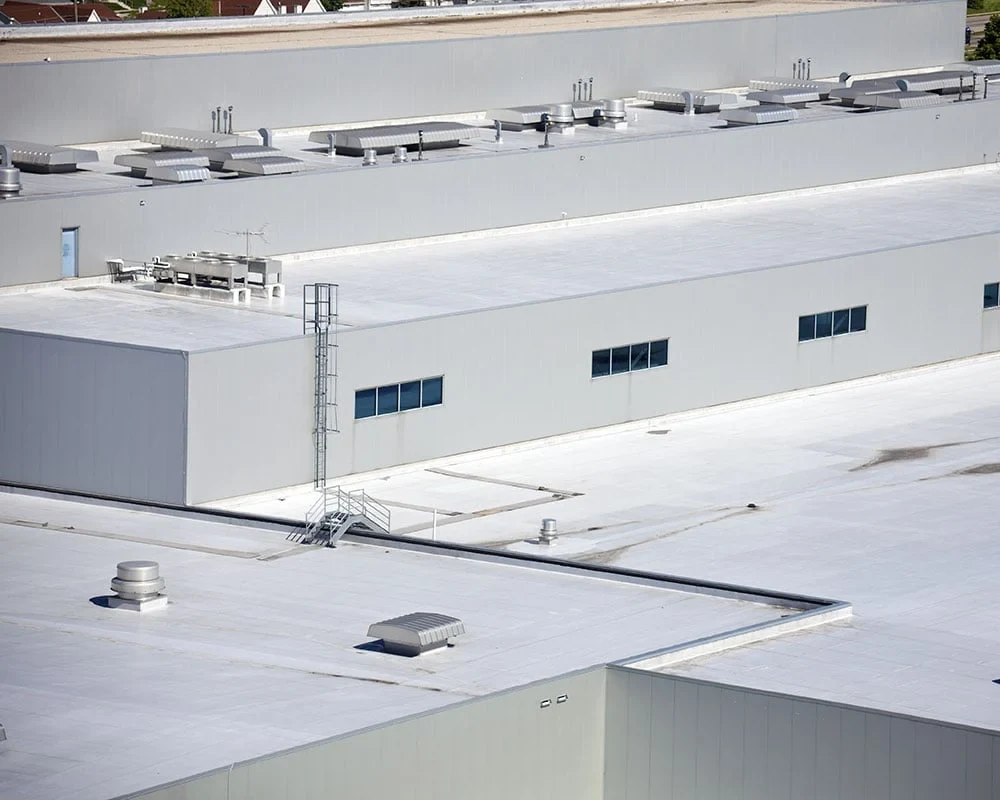
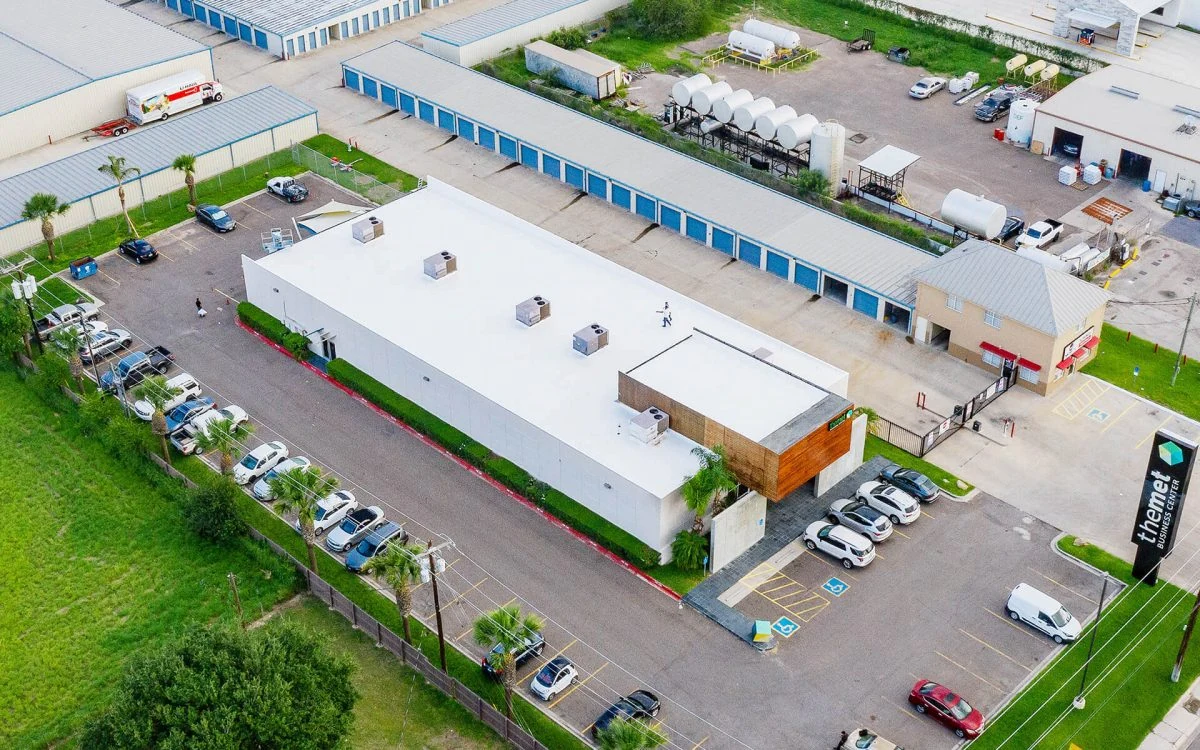
White EPDM shows up far less often on our Worcester bid sheets than black, but it's a real product line, not a marketing variant, and it earns a spec on the specific roofs where an owner wants EPDM's proven rubber chemistry with a reflective surface instead of TPO's thermoplastic seam.
Same Rubber, Different Surface Laminate
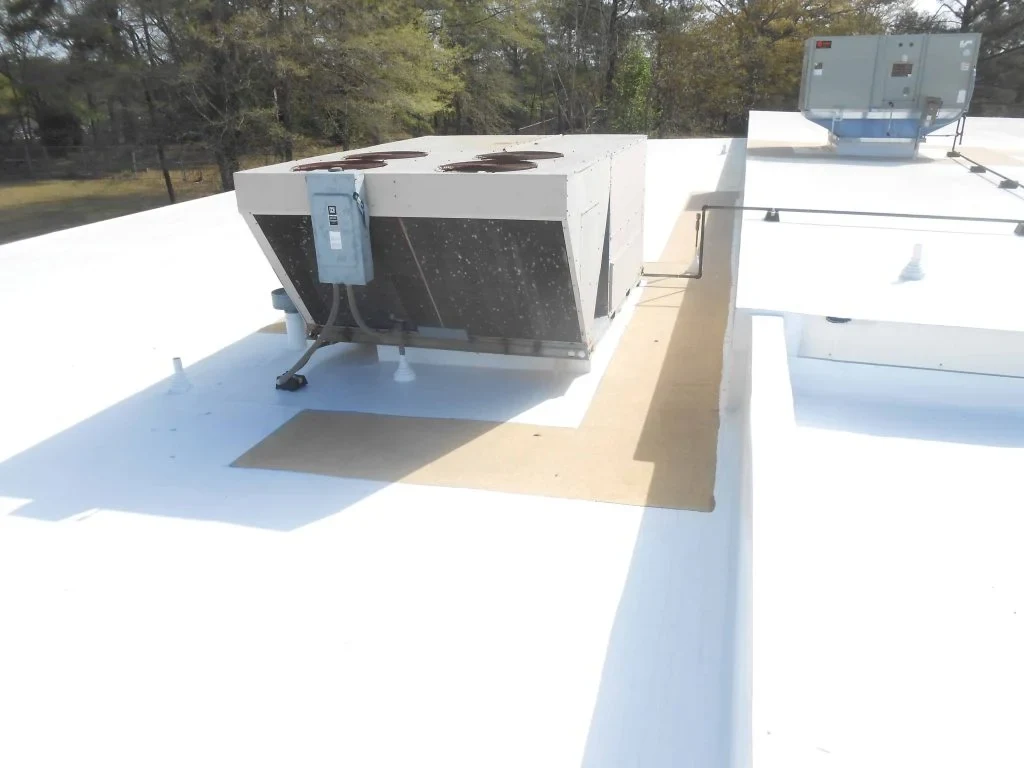
White EPDM is the same vulcanized rubber sheet as the black version, with a white surface laminate bonded to the top face during manufacturing. The rubber underneath carries EPDM's usual flexibility and long installed track record; the laminate changes solar reflectivity, not the base membrane's core performance characteristics.
Because the reflective layer sits on top of the rubber rather than being the rubber itself, we check the laminate's condition separately from the membrane during any inspection. A white EPDM roof that's picked up dirt or lost some reflectivity over the years hasn't necessarily lost membrane integrity underneath.
Where an Owner Actually Wants This Combination
The typical case is a building where the owner has a good history with EPDM's seam chemistry and installed cost but wants to cut summer rooftop heat gain, often because a top-floor tenant space or a rooftop mechanical unit is running harder than the owner would like in July. Swapping to white EPDM keeps the rest of the spec familiar while addressing that specific complaint.
It also comes up on portfolio owners standardizing across buildings who want one membrane chemistry company-wide but need a lighter color on a specific building for a cool-roof requirement tied to a tenant lease or a local energy program, without switching the whole portfolio to a different membrane type.
Winter Performance Trade-Off Worth Naming
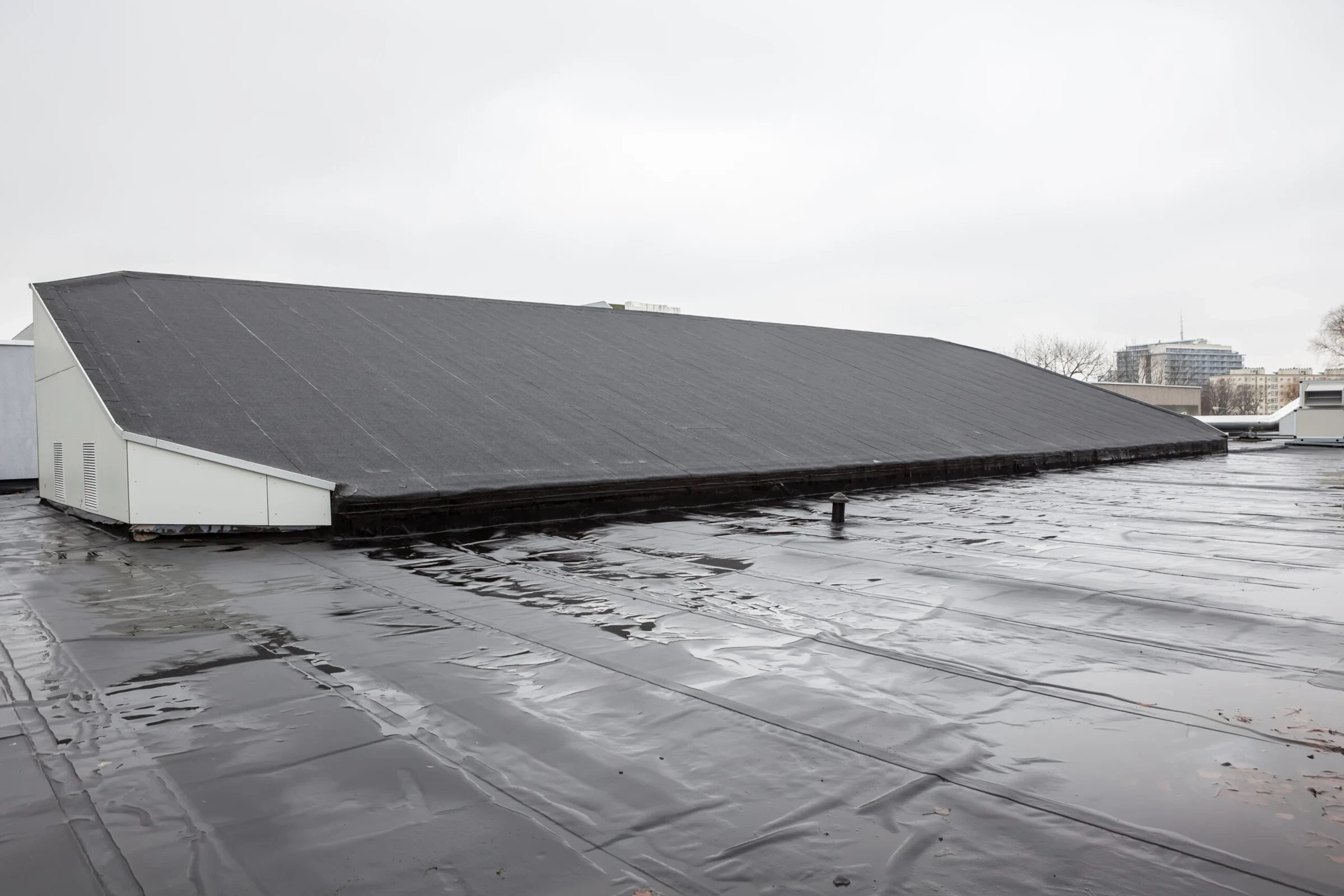
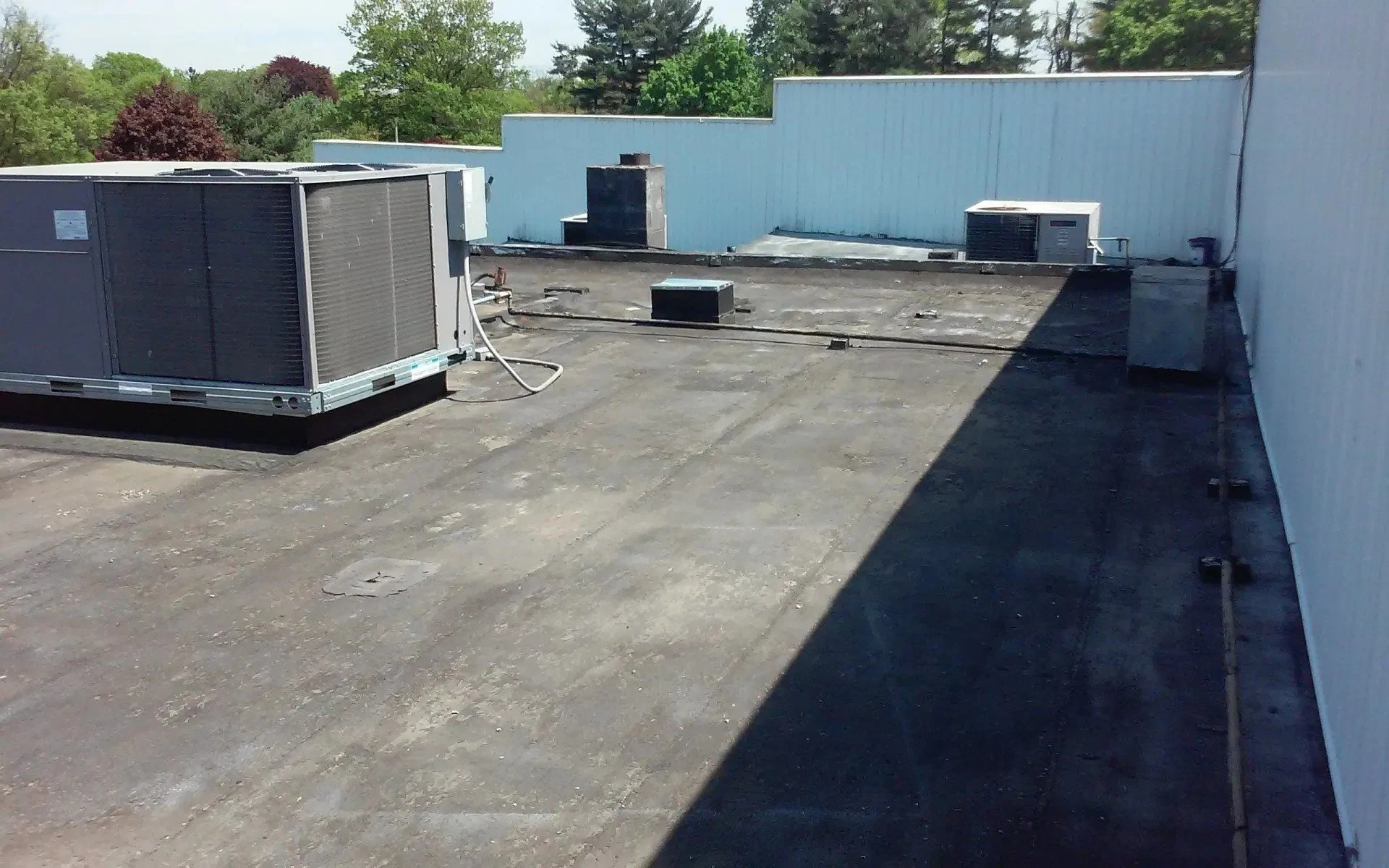
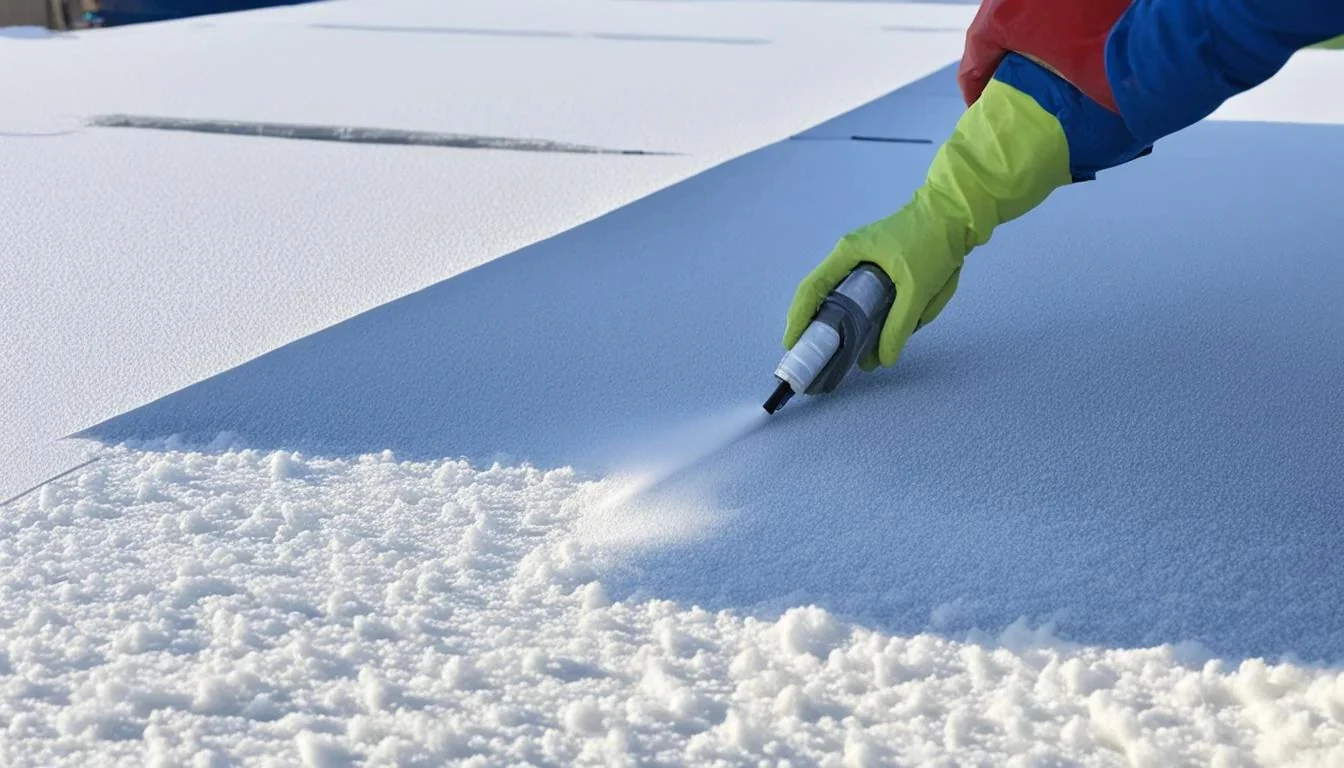
The same heat-absorption advantage that makes black EPDM good at shedding Worcester snow works against white EPDM. A more reflective surface holds onto snow and ice longer during a cold stretch, since the roof isn't picking up as much solar heat gain to help melt it off. On a roof with parapet-level ice-dam exposure, that can mean ice sitting at the edge detail longer into the season than it would under a black membrane.
We raise this trade-off directly with any owner considering white EPDM in this market rather than letting reflectivity sound like a strictly upside decision. The right call depends on whether summer heat gain or winter ice retention is the bigger concern for that specific building.
- Portfolio owners standardizing membrane chemistry across mixed-color needs
- Top-floor tenant spaces with documented summer heat complaints
- Buildings under a lease or program requirement for reflective roofing
- Owners who want EPDM's known seam performance with lower heat gain
- Roofs without significant ice-dam history at the parapet edges
Seams and Installation Don't Change
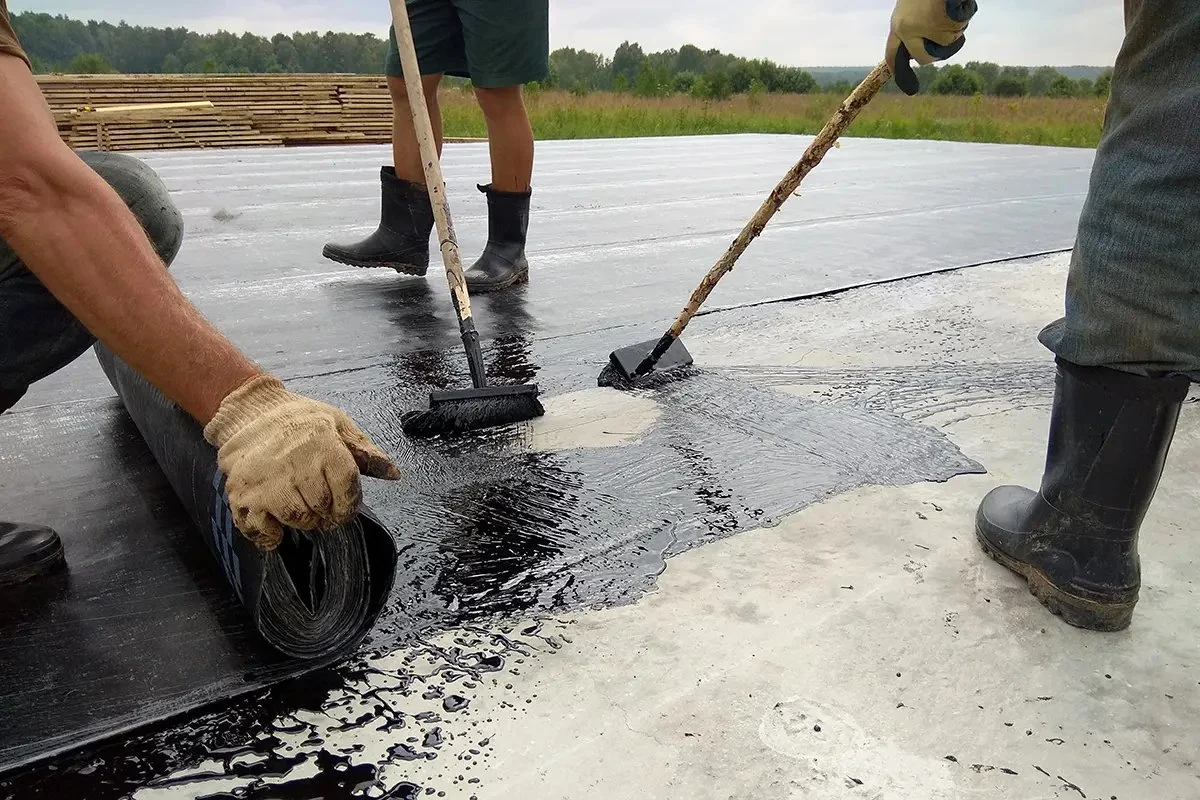
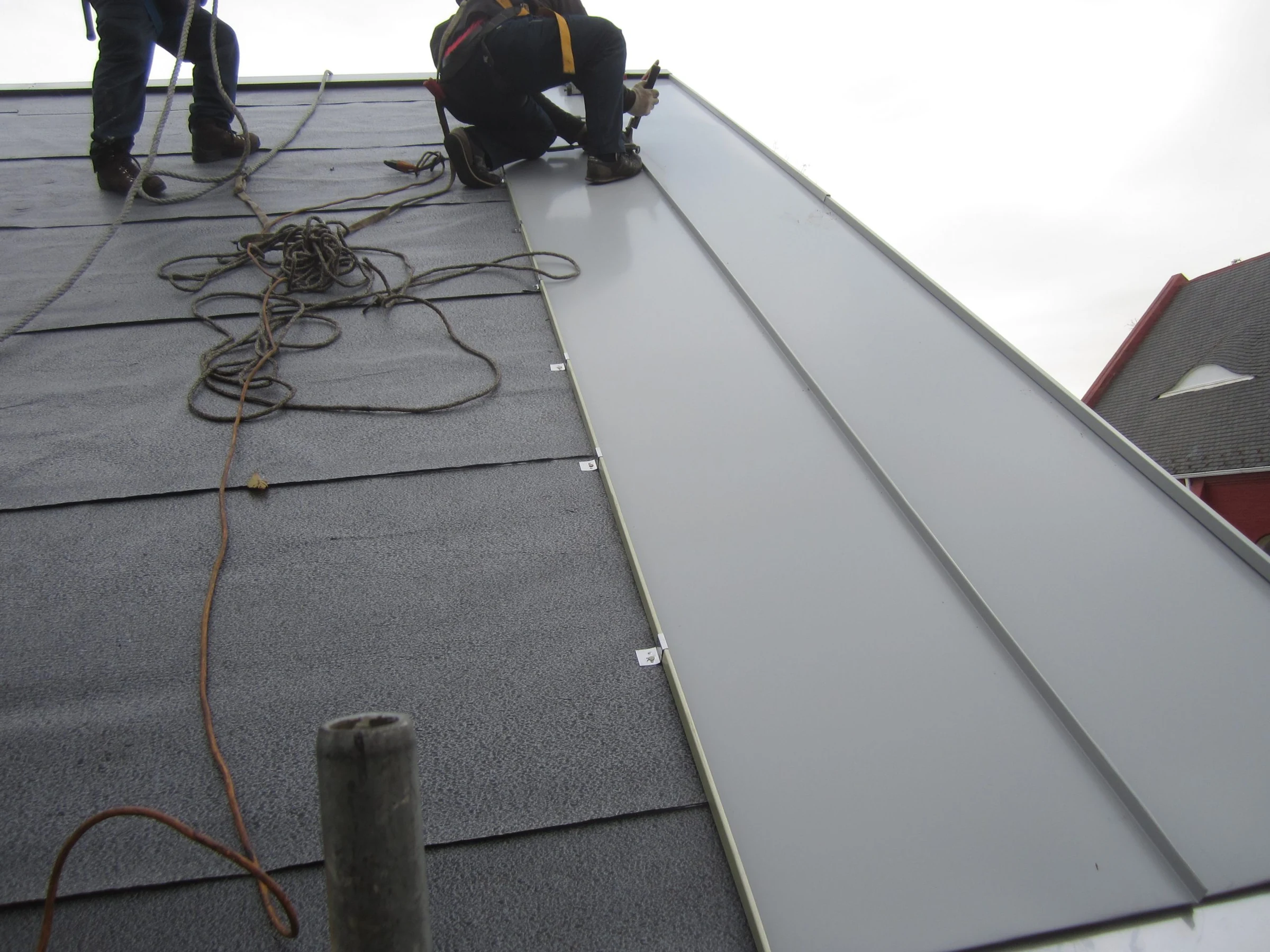
White EPDM installs with the same tape or adhesive seam process as black EPDM, and it carries the same cold-weather installation rules: minimum surface temperature, correct roller pressure, and close inspection during the work rather than relying on a visible weld line after the fact, since EPDM doesn't heat-weld.
Freeze-thaw stress at the laps is identical to black EPDM as well. Reflectivity is a surface-level property; it doesn't change how the seam adhesive cures or how many freeze-thaw cycles a Worcester winter puts that seam through.
Cost Against Black EPDM and TPO
White EPDM typically costs slightly more than black EPDM per square foot, reflecting the added laminate step in manufacturing, and it competes on price with 60-mil TPO more than it undercuts it. For an owner choosing purely on cost with no reflectivity requirement, black EPDM or TPO usually wins that comparison outright.
Where it earns its spot on the estimate is the narrower case: an owner who specifically wants EPDM's chemistry with a lighter surface, not a general recommendation for every reroof that crosses our desk.
Warranty Terms Track the Same as Black EPDM
A white EPDM roof carries the same manufacturer warranty structure as black EPDM, tied to the specific assembly spec and our installer certification status at time of install rather than the surface color. An owner comparing warranty paperwork between a black and white EPDM proposal on the same building shouldn't expect the color choice itself to change coverage length.
We document the reflectivity spec separately from the warranty terms in every white EPDM proposal, since a facilities manager comparing options later wants to know which document covers which claim if a surface or seam issue comes up down the road.
Questions About White EPDM in This Market
Is white EPDM as reflective as TPO?
It's reflective enough to cut rooftop heat gain compared to black EPDM, but TPO's factory-white thermoplastic surface generally holds a higher reflectivity rating over time.
Does white EPDM shed snow as well as black EPDM?
No. The reflective surface absorbs less solar heat, so snow and ice tend to linger longer on a white EPDM roof than on a black one under the same conditions.
Can I switch an existing black EPDM roof to white on a recover?
In some cases, if the existing substrate is sound. We'd walk through the same heat-gain-versus-ice-retention trade-off before recommending it.
Does the white laminate wear off over time?
It can lose some reflectivity with age and dirt buildup, similar to any reflective roof surface. That's a surface condition, not a membrane failure, and we assess it separately during inspections.
Is white EPDM more expensive than black EPDM?
Typically, yes, by a modest margin per square foot, reflecting the added manufacturing step for the reflective laminate.