
Why local exposure changes the field plan
Weather around Worcester, MA combines coastal storms, snow, freeze-thaw cycling, wind, and repeated winter moisture. The timing of that exposure can reveal a weak detail, yet the weather event and the leak source are not automatically the same thing. Interior evidence should be mapped to a roof elevation before anyone chooses a drain, wall, curb, seam, penetration, or edge as the cause. Water can move laterally through insulation, along deck flutes, or down structural elements and appear away from the opening. This distinction protects the owner from treating a correlation as proof. It also lets the next technician revisit the precise unknown instead of repeating the entire investigation.
Document the condition before choosing the scope
A decision-grade Worcester roof record includes the affected interior zone, roof-area map, repair history, membrane condition, wet-area indicators, photographs, test locations, and the exact limits of the proposed repair. Conditions should be organized by roof area and priority rather than buried in a chronological photo dump. The practical method is to trace the water path from the interior evidence back through roof elevations, seams, penetrations, curbs, walls, edges, and drains instead of sealing the first suspicious detail. Where destructive or electronic testing is proposed, the scope should identify its purpose, limitations, and restoration procedure before work begins. The closeout should identify today's completed scope and tomorrow's unresolved work independently. That structure is especially important when several vendors, tenants, or ownership representatives will rely on the same roof file.
Treat each roof assembly on its own terms
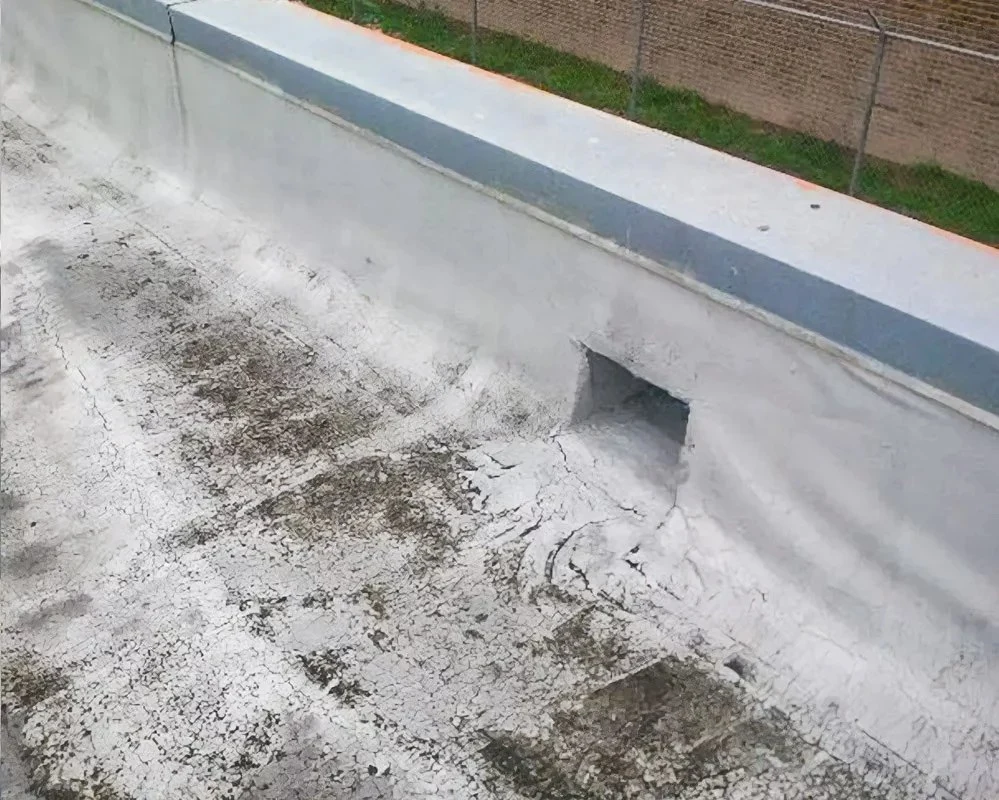
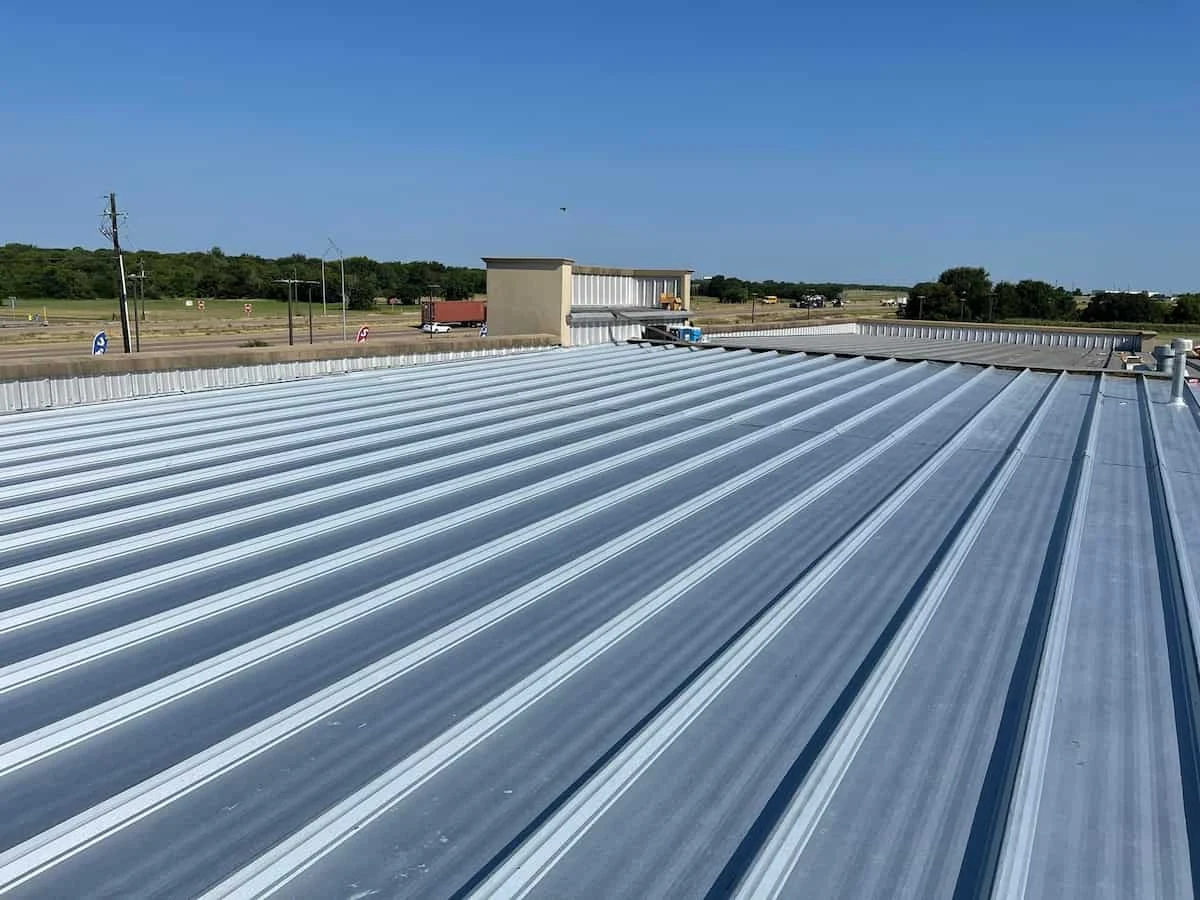
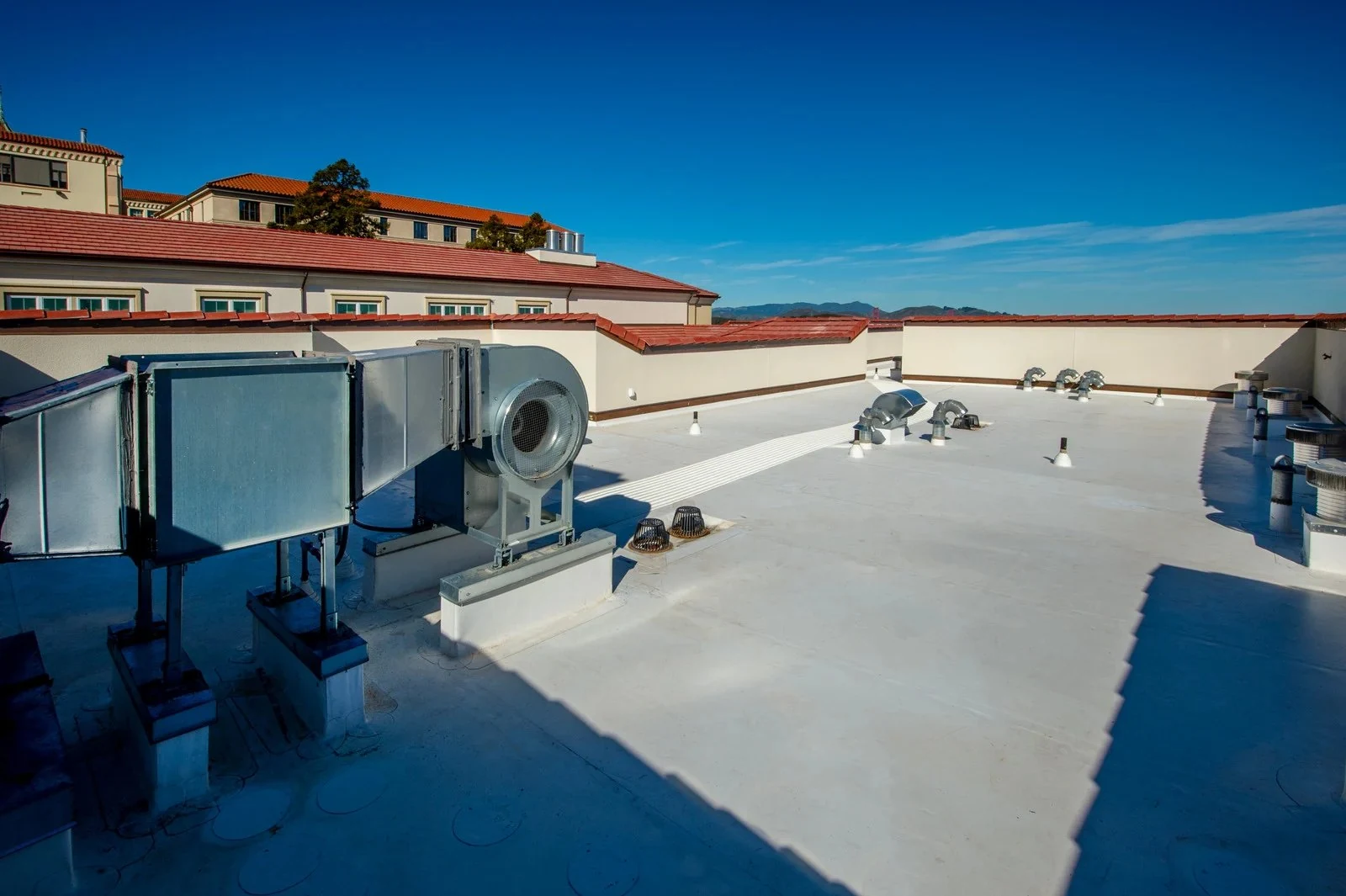
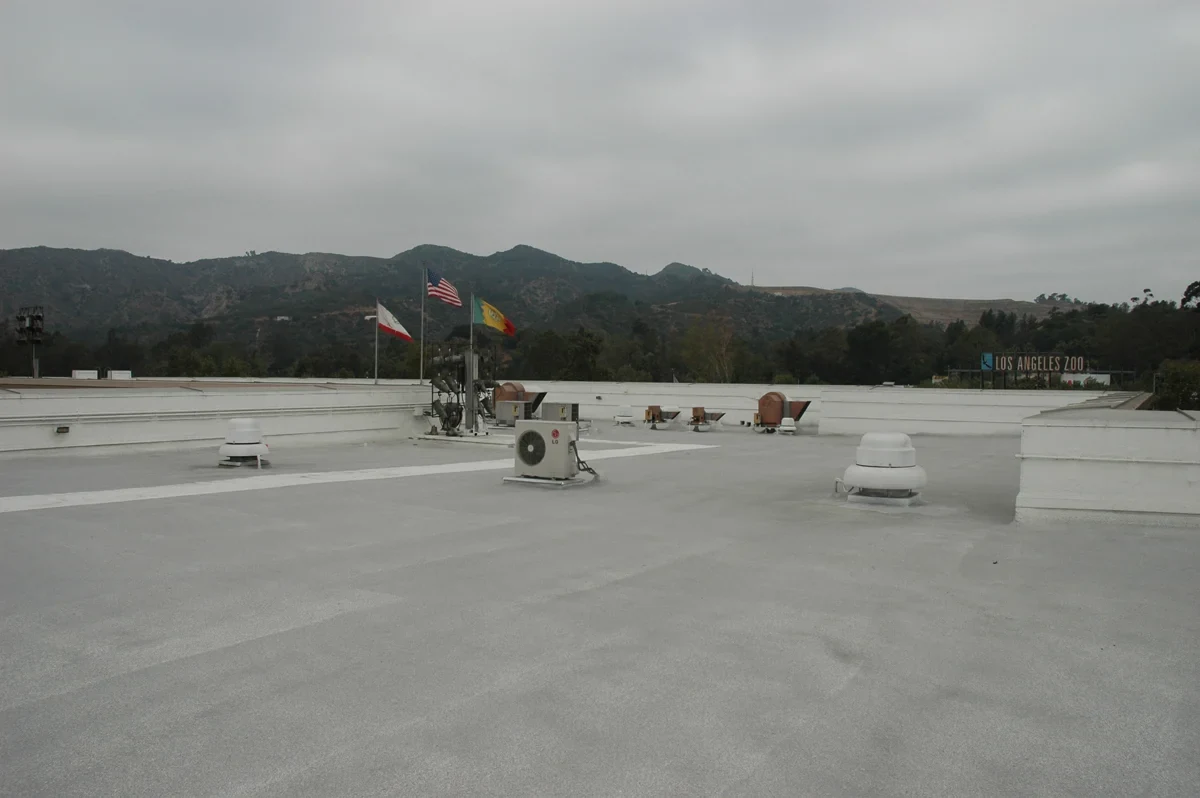
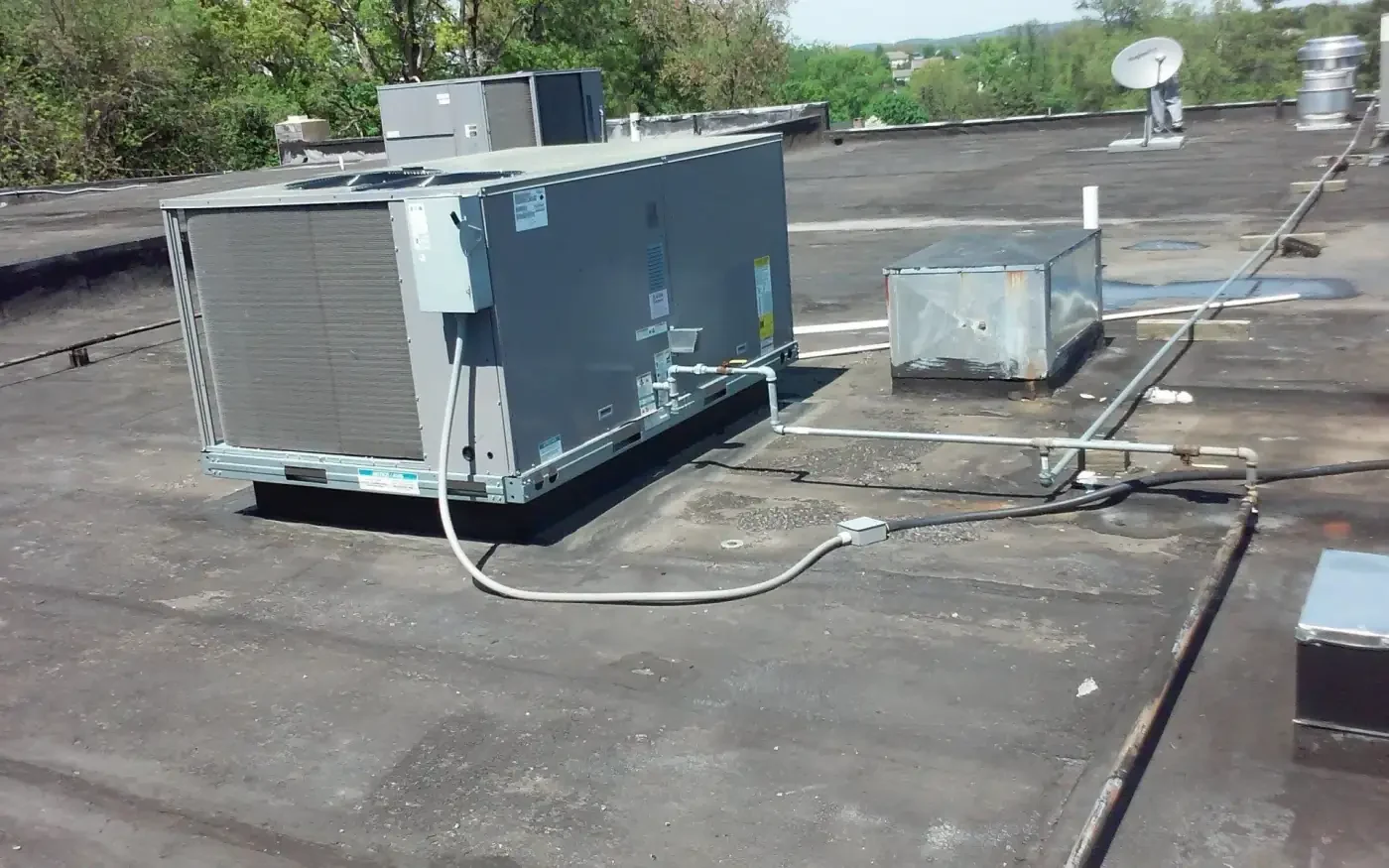
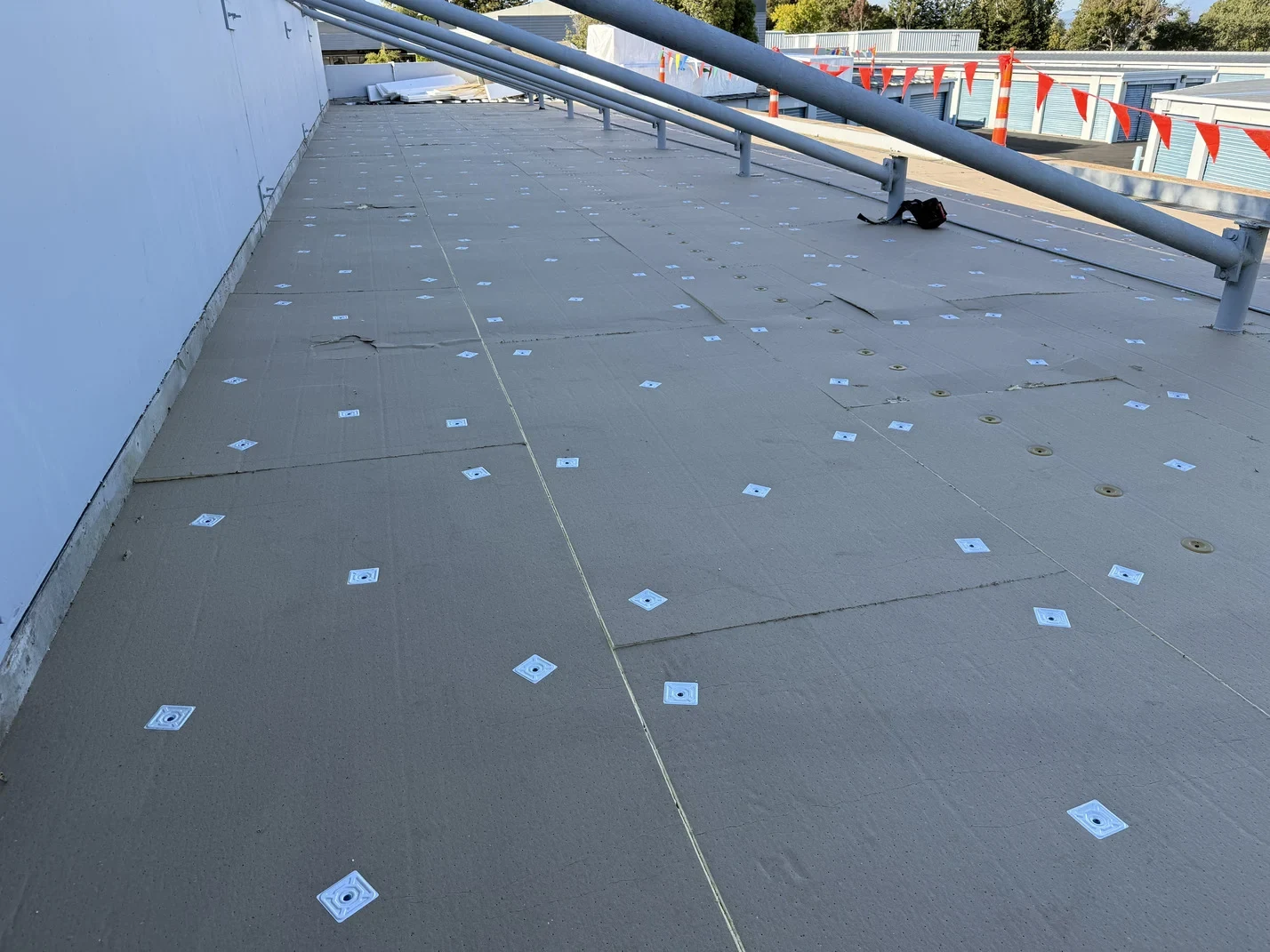
A detail that is repairable on EPDM Black may require different preparation or materials on EPDM White or TPO 60 Mil. Existing layers, surfacing, attachment, and earlier repair products matter before new materials are selected. The scope should name the membrane or surface that was actually observed, identify unknown construction, and check compatibility before mastics, primers, membranes, or coatings are specified. Core information may be necessary when layers and attachment affect the option set. Drainage stays in the analysis because a sound patch cannot correct water held against a curb, an overloaded outlet, or settlement at a low point. System language should support whether the defect is isolated, whether trapped moisture changes the scope, and whether continued spot repair remains defensible instead of functioning as a product catalog.
Roof work has to fit real operations
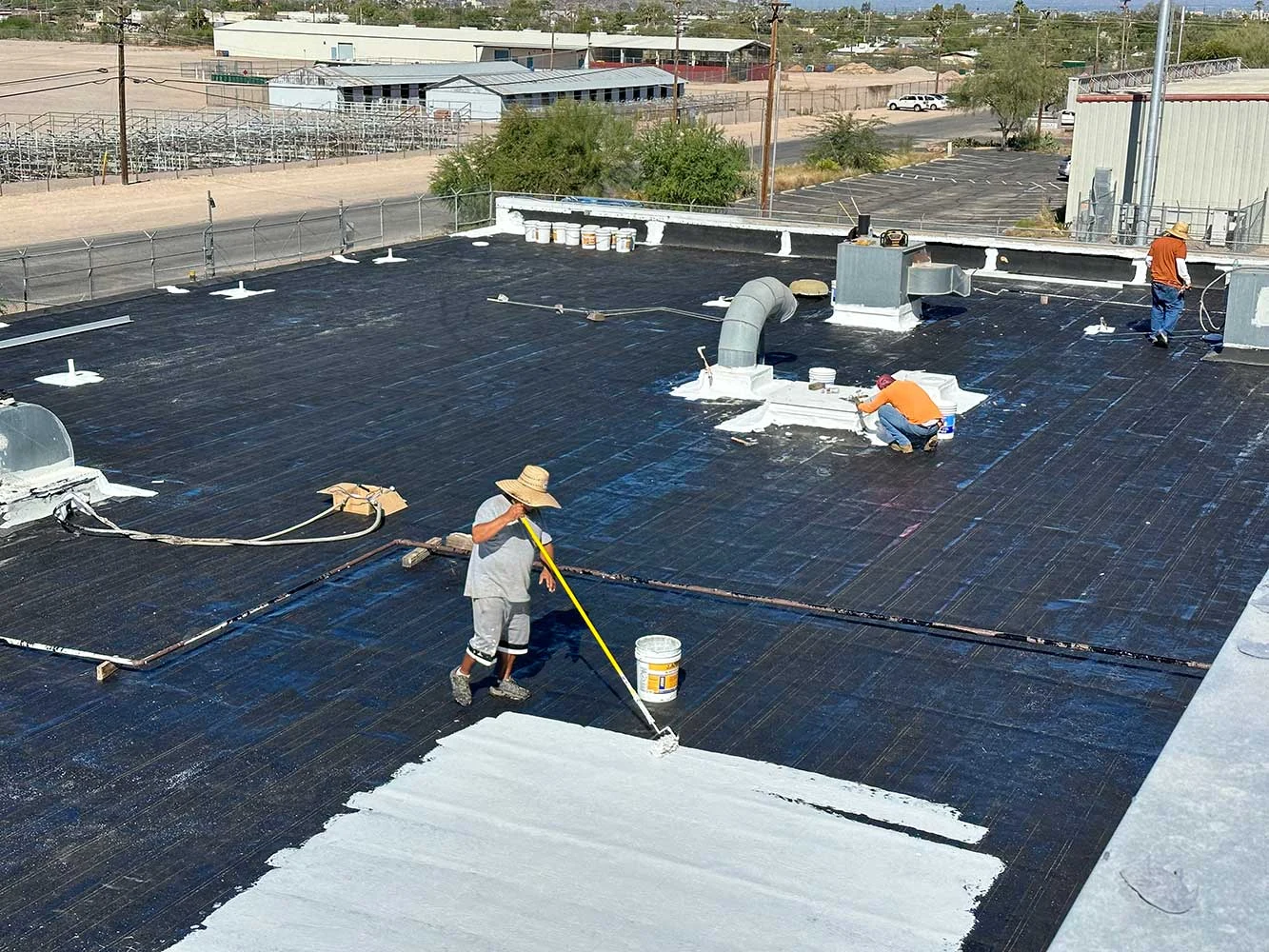
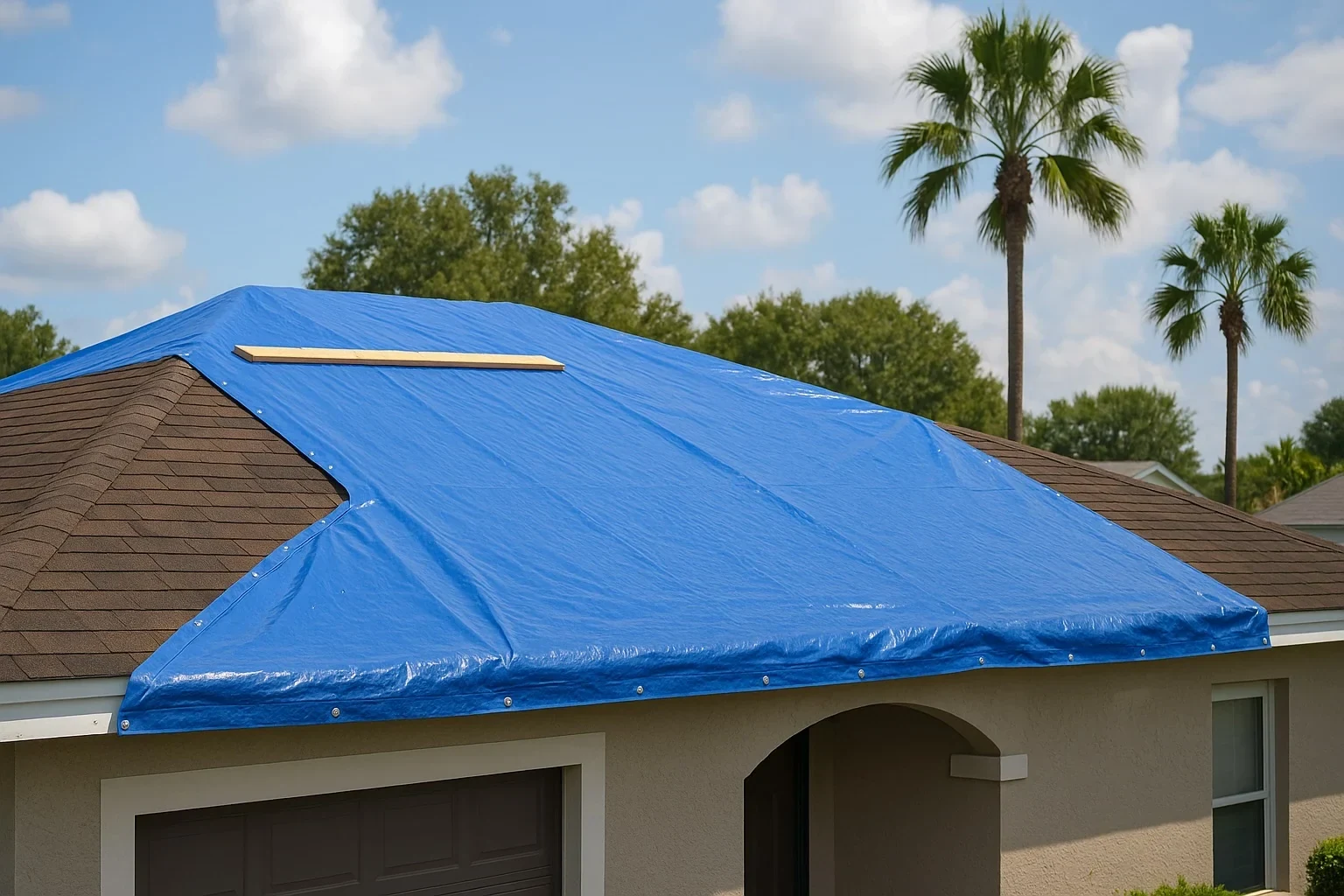
Building operations change how the same roof work is performed. On Manufacturing Operators, Government Public Sector, or Property Management Firms, access, interior sensitivity, security, and working hours can define the safe sequence. The pre-work review should locate safe access, occupied areas, shutdown constraints, fire or security procedures, rooftop equipment, pedestrian controls, and interior protection. The building contact should know which decisions are needed before mobilization. A dry-in can be appropriate during active weather even when permanent work must wait. The crew's daily record should identify every temporary edge, cover, ballast, drain protection, and remaining exposure before leaving the property.
Make repair, restoration, and replacement distinct decisions
The decision point is whether the defect is isolated, whether trapped moisture changes the scope, and whether continued spot repair remains defensible. The evidence may support a small permanent repair, a broader corrective scope, a restoration evaluation, recover design, or tear-off, but the report needs to show why. Decision thresholds include moisture extent, remaining secure attachment, deck condition, prior repair performance, drainage, assembly compatibility, operational risk, budget timing, and the period the owner expects the roof to remain in service. A smaller scope is not automatically prudent, and a larger scope is not automatically safer. The defensible option is the one whose boundaries match the documented condition and the owner's operating requirements.
Turn the visit into a usable next step
After this scope, the record should advance to an inspection that separates an isolated repair from restoration, recover, or replacement planning. Carrying the same roof-zone names and evidence forward prevents the next visit from starting with an empty file. For one building, that history makes the next visit faster and reveals whether a repair held. Across a portfolio, it lets ownership rank roofs by condition, operational risk, repair spending, and capital timing instead of reacting to the newest ceiling stain. Recurring service should not disappear when a capital project begins. Commercial Roofers of Worcester can preserve the agreement and roof history while larger work is scoped, completed, closed out, and returned to inspection status.
A useful response starts before roof access
Before dispatch, collect the address, responsible building contact, safe access route, occupied area below the problem, time and behavior of the leak, known roof type, and any temporary protection already attempted at the Worcester property. Interior photographs can preserve stain limits and active-drip locations before ceiling materials are moved. Roof photographs from facility staff may help with orientation, but they do not replace safe field verification or authorize untrained personnel to enter the roof. The response plan should match the reported condition without promising a cause, permanent repair, or arrival time that has not been verified. Dispatch clarity is valuable precisely because it avoids unsupported assumptions.
Price the known work without hiding the unknowns
Pricing is easier to evaluate when the scope shows which conditions were measured, which were observed but not opened, and which remain concealed. Unit prices or allowances can address uncertainty without pretending the quantity is already known. Alternates are useful when they compare real decisions, such as repair versus restoration preparation or recover versus tear-off. They are less useful when major necessary work is moved out of the base price simply to make one proposal appear lower. A reviewable proposal lets ownership compare boundaries, evidence, materials, quantities, disruption, and closeout—not just totals. The goal is a scope that remains understandable after the salesperson leaves the room.
Worcester decision checklist
- Map the interior symptom to a named roof area before selecting a repair detail.
- Record temporary measures separately from permanent work and list every open item.
- Verify drainage, penetrations, walls, edges, earlier repairs, and transitions around the affected area.
- State the observed roof assembly, unknown construction, access limits, and testing assumptions.
- Connect the recommendation to repair, restoration, replacement, maintenance, or capital-planning thresholds.
- Set the next inspection or follow-up date so the roof history continues after this visit.
Commercial roof decision questions
Does this condition automatically mean the roof must be replaced?
No. The review should establish whether the defect is isolated, whether trapped moisture changes the scope, and whether continued spot repair remains defensible. Replacement becomes a defensible recommendation only when the field evidence, moisture, assembly condition, repair history, deck or attachment concerns, and lifecycle comparison support it.
What should the Worcester roof scope document?
It should document the affected interior zone, roof-area map, repair history, membrane condition, wet-area indicators, photographs, test locations, and the exact limits of the proposed repair. It should also label temporary and permanent work separately, state assumptions and exclusions, and identify the inspection or service step that follows the current scope.
How does an urgent call become a maintenance or capital plan?
The immediate visit creates the first roof-area record. A follow-up inspection establishes condition and priorities. Completed repairs, recurring observations, drain service, warranties, and future recommendations are then retained so maintenance stays scheduled and larger work can be placed into the appropriate capital year.
From service call to roof plan
Use the next decision, not the biggest sale.
Stabilize the problem, document the roof, compare the viable paths, and keep the resulting roof history active.