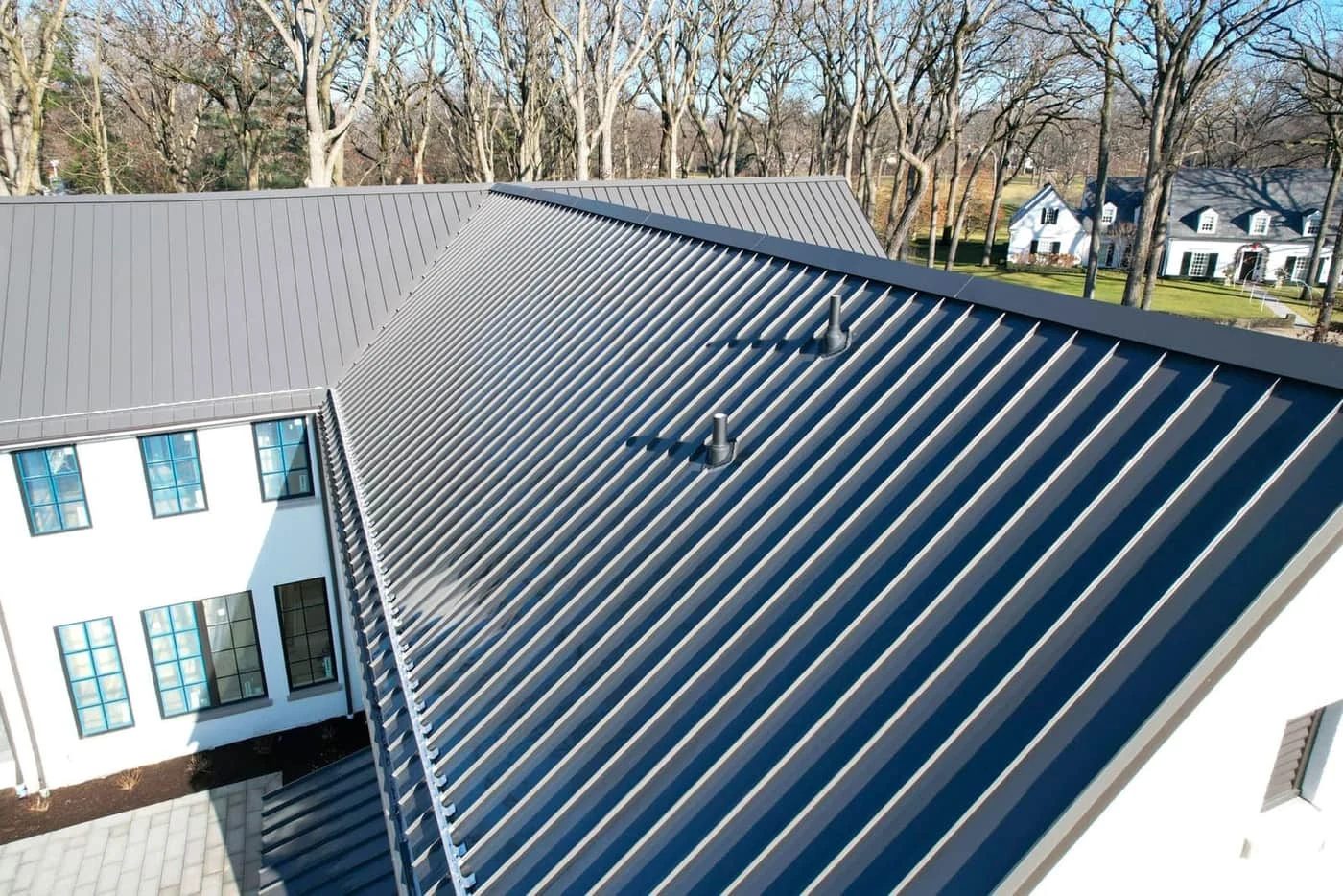
Acrylic Coatings for Worcester's Metal Roof Restoration Jobs
A coating recommendation starts with adhesion, moisture, drainage, membrane condition, detail preparation, and warranty eligibility,not every existing roof is a restoration candidate. Acrylic coating costs less per square foot than silicone, and it's the system we specify most often on metal roof restoration work where ponding water isn't part of the problem. We price it by mil thickness and substrate condition, and we're direct with owners about where it fits and where it doesn't.
Where Acrylic Makes Sense: Metal, Not Ponding
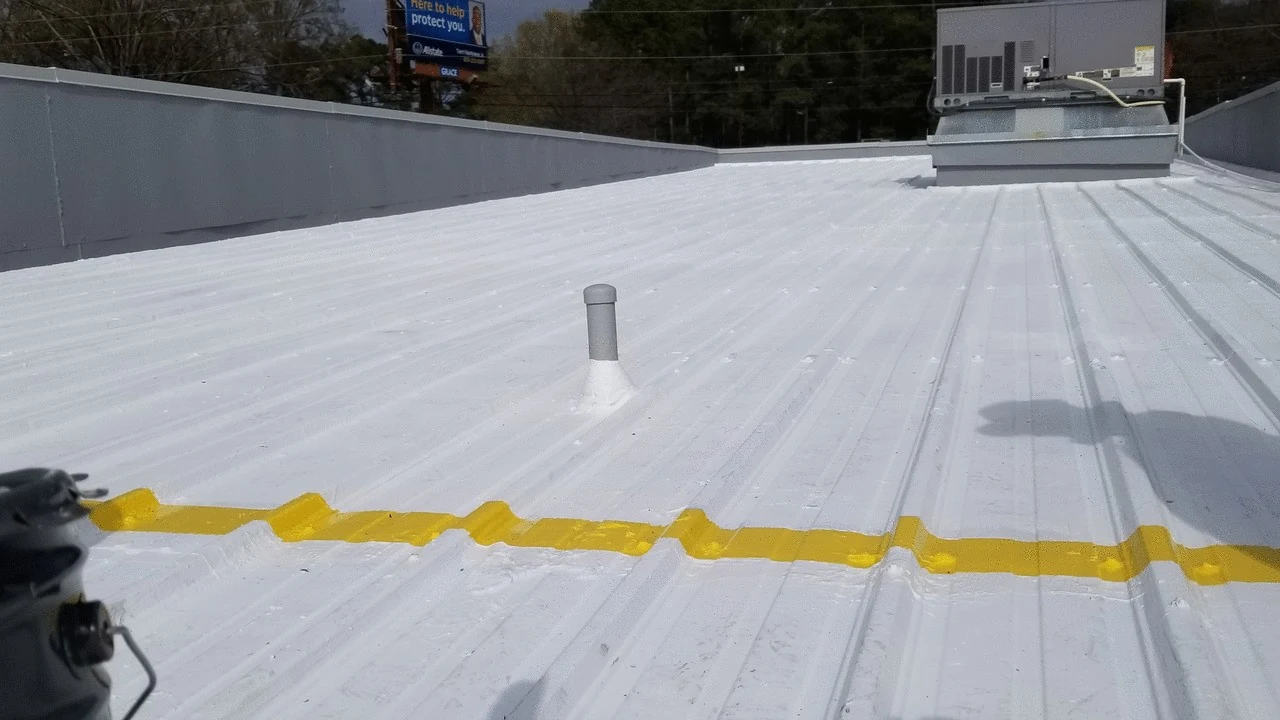
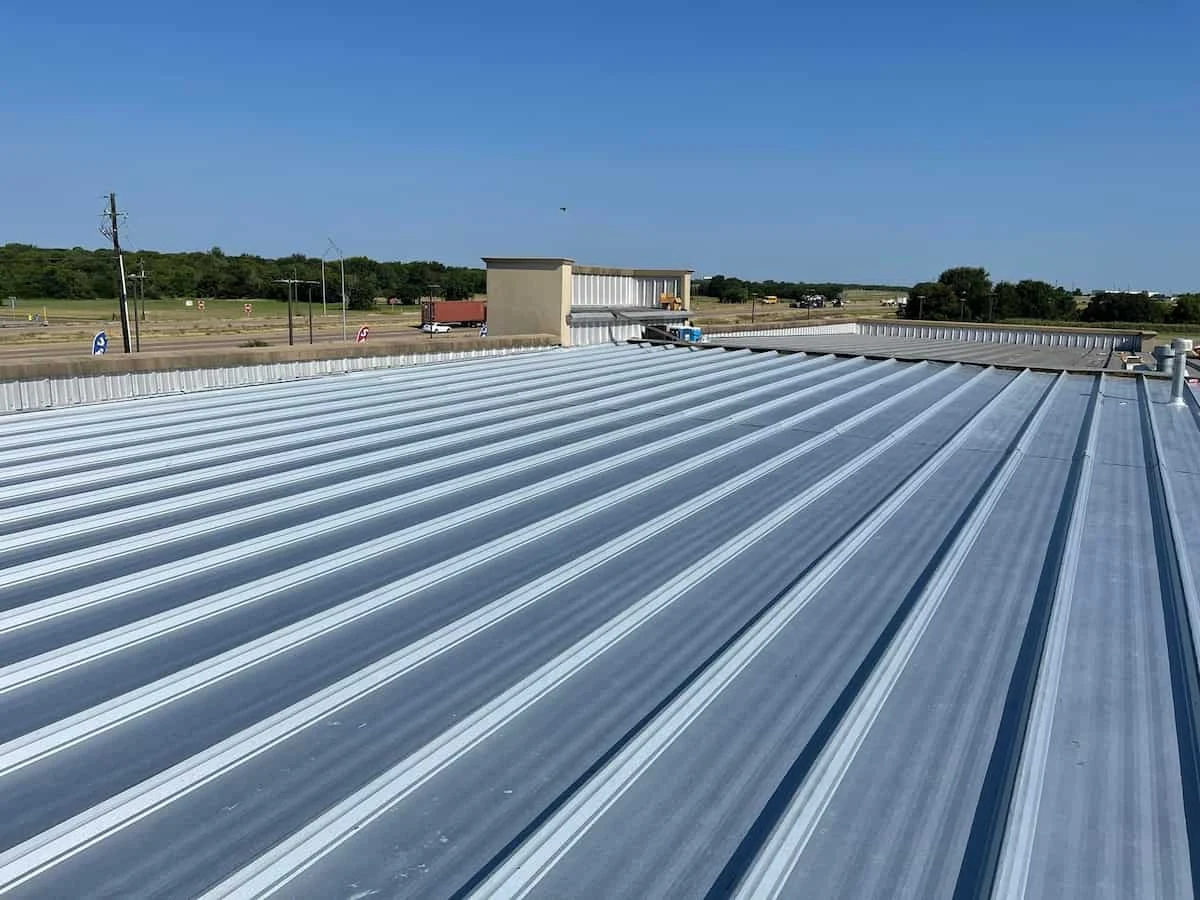
Acrylic coatings adhere well to R-panel and standing seam metal roofs that are showing chalking, minor rust, or coating failure on the factory finish, and restoring that finish with acrylic is usually far cheaper than a full panel replacement. A lot of the exposed-fastener R-panel roofs we see on distribution and light-industrial buildings along the Route 146 corridor are good acrylic candidates once the panels themselves are still structurally sound.
Acrylic is not the right coating for a roof with a standing water problem. Prolonged ponding softens acrylic film and shortens its service life dramatically compared to a dry, well-drained roof, which is why we steer owners with a ponding condition toward silicone instead, even though it costs more.
Mil Thickness and Substrate Prep
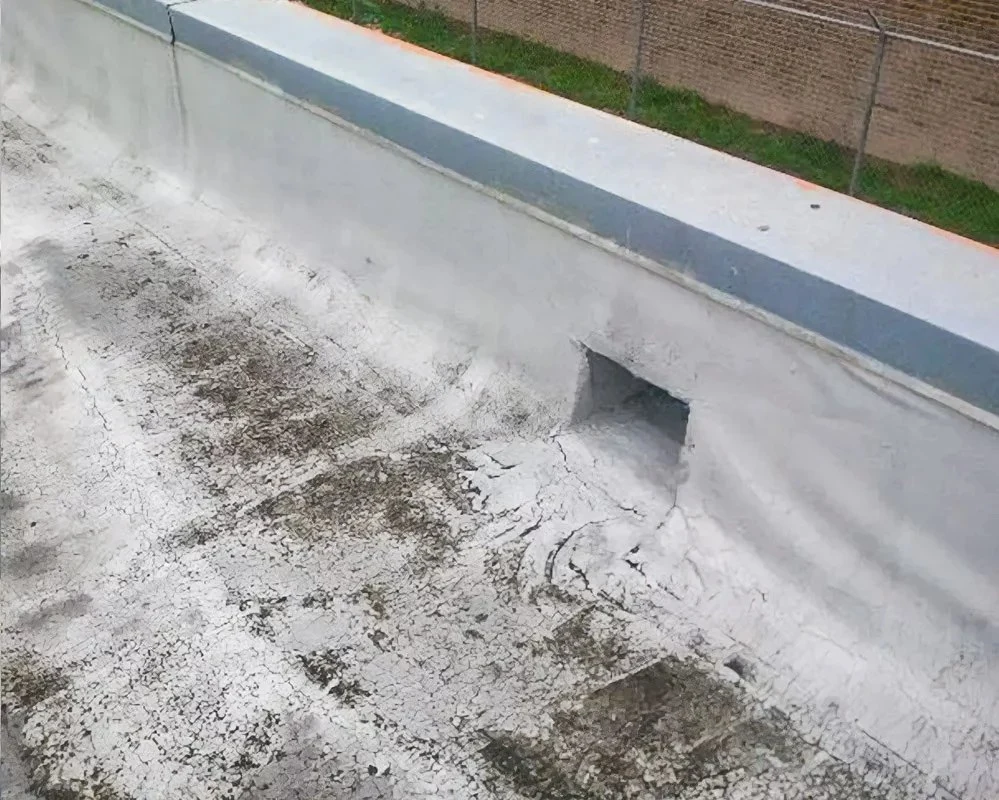
Acrylic coatings on metal typically get applied at a lower mil thickness than a silicone restoration coating over a membrane roof, since the goal on a metal substrate is usually rust and UV protection rather than building a waterproofing film thick enough to bridge seams. Surface preparation matters more here than on most other coating work: rust has to be treated and any loose or peeling factory finish removed before the acrylic will bond correctly.
We test adhesion on a section of the roof before committing to a full application, since acrylic over a poorly prepared metal surface can fail within a couple seasons regardless of how well the coating itself performs when applied correctly.
The Application Temperature Window in This Climate
Acrylic coatings need a dry surface and a minimum air and surface temperature to cure correctly, which narrows our practical application window in Central Massachusetts to roughly late spring through early fall. Morning dew and afternoon thunderstorms both shrink the usable hours further during that window, so we schedule acrylic work around forecast conditions rather than a fixed calendar date.
A coating applied too close to overnight temperatures dropping below the cure threshold can fail to bond correctly even if it looks fine on application day, which is one more reason we don't push acrylic jobs into late fall just to fit a schedule.
What we confirm before pricing an acrylic coating job:
- Substrate type and whether ponding water rules out acrylic in favor of silicone
- Rust condition and surface preparation scope before coating
- Mil thickness matched to the substrate and exposure
- Adhesion test results on a sample section before full application
- Weather window for application, cure time, and forecast risk
- Recoat cycle and warranty terms tied to applied thickness
UV Reflectivity and Energy Savings
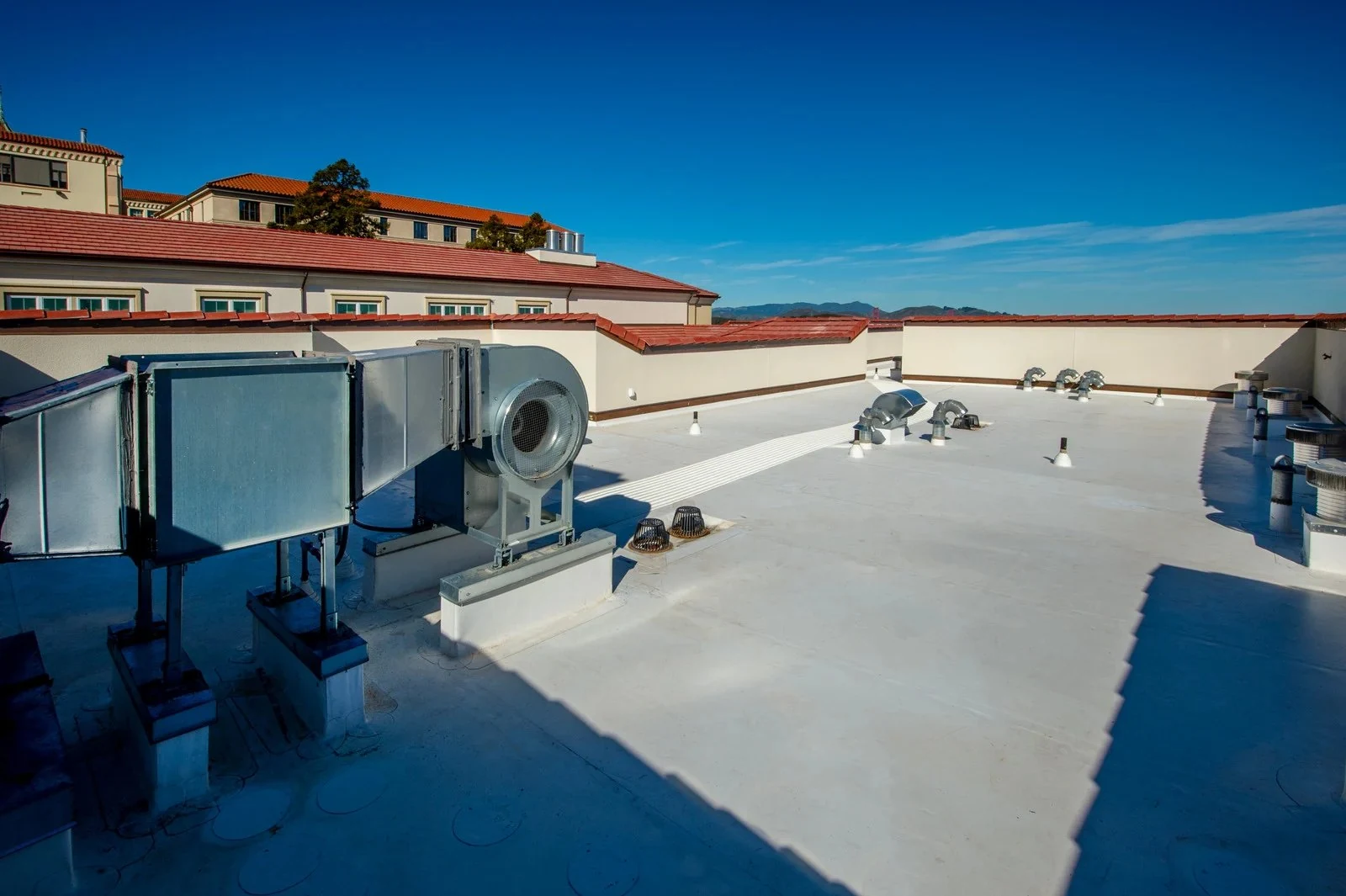
Like silicone, acrylic coatings are typically formulated in a bright white finish with strong solar reflectivity, which cuts down on rooftop heat gain and can measurably reduce cooling load on conditioned buildings. On a metal warehouse or distribution roof without insulation upgrades planned, a reflective acrylic recoat is often the most cost-effective way to bring down summer rooftop unit run time.
The reflectivity advantage fades faster on acrylic than on silicone, since acrylic film tends to pick up dirt and lose some of its reflective value over a shorter interval. We factor that gradual falloff into the maintenance conversation rather than presenting the reflectivity benefit as a fixed number over the coating's whole service life.
Roofs near the I-290 corridor with heavier truck and diesel exhaust exposure tend to accumulate grime on the coating surface faster than a quieter suburban site, which is one more reason we set recoat expectations based on the specific roof's location and exposure rather than a generic timeline that applies to every building the same way.
Cost Against Silicone and Full Panel Replacement
Acrylic typically prices below silicone per square foot and well below a full metal panel replacement, which makes it the default choice on dry roofs where the existing panels are structurally sound but cosmetically or chemically degraded. Once ponding water or significant panel damage enters the picture, the cost calculation shifts toward silicone or replacement instead.
Questions Worcester Owners Ask About Acrylic Coatings
Can acrylic coating fix rust on my metal roof?
It can restore protection once the rust is properly treated during surface prep, but heavily corroded or perforated panels need actual repair or replacement rather than a coating alone.
Why can't I use acrylic on my flat membrane roof with standing water?
Prolonged ponding softens acrylic film and shortens its life significantly. Silicone holds up better under standing water, which is why we spec it for that condition instead.
What time of year can acrylic coating be applied?
Roughly late spring through early fall in this climate, since the coating needs a minimum surface temperature and dry conditions to cure correctly.
Is acrylic cheaper than replacing my metal panels?
Usually significantly cheaper, as long as the panels themselves are structurally sound and the issue is finish degradation rather than physical panel failure.
How often does an acrylic coating need to be reapplied?
It depends on the applied thickness and the roof's UV exposure, and we tie the recoat expectation to the specific mil thickness we spec for your roof.