
Modified Bitumen for Worcester's Dense Mixed-Use Blocks
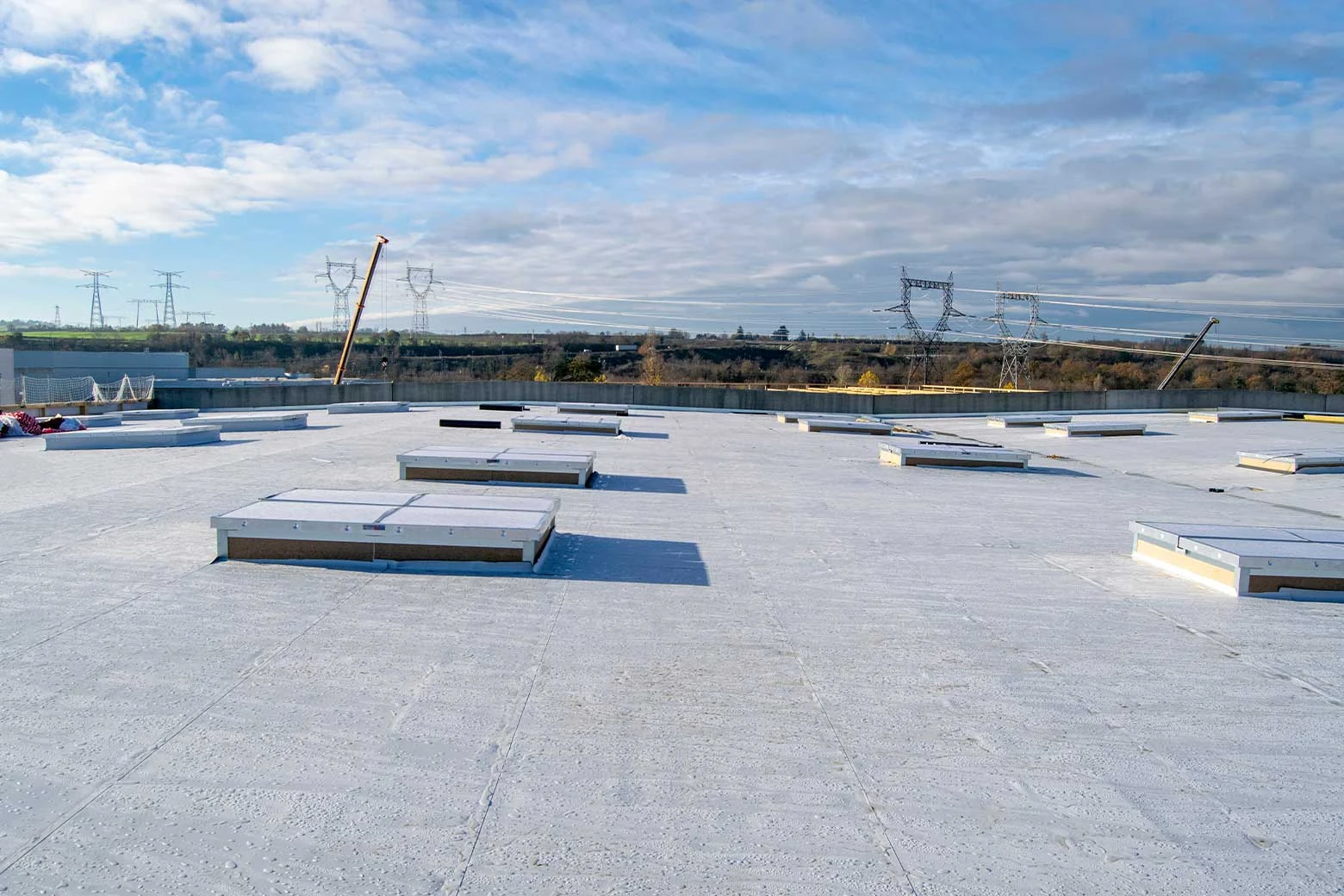
Modified bitumen is a multi-ply system built from asphalt-based sheets reinforced with polymer, and it's still one of the most common roofs we quote over mixed-use buildings in Worcester's denser blocks. The number changes based on application method and how many plies go into the system, which is where we start every estimate.
Torch-Applied vs Cold-Applied in a Dense Urban Setting
Torch-applied modified bitumen uses an open flame to melt the underside of the sheet during installation, and it's a fast, reliable method on a standalone commercial building. In the Canal District and other blocks where three-decker residential sits close to commercial ground-floor space, torch application carries real fire risk we take seriously, and a lot of property managers in those settings ask for a cold-applied or self-adhered alternative instead.
Cold-applied and self-adhered modified bitumen skip the open flame entirely, using cold adhesive or a factory-applied adhesive backing instead. It costs somewhat more in labor time but removes the fire risk on tight urban sites, and we default to it on any project where occupied residential space sits within close range of the roof work.
Cap Sheet Choice Drives UV Life
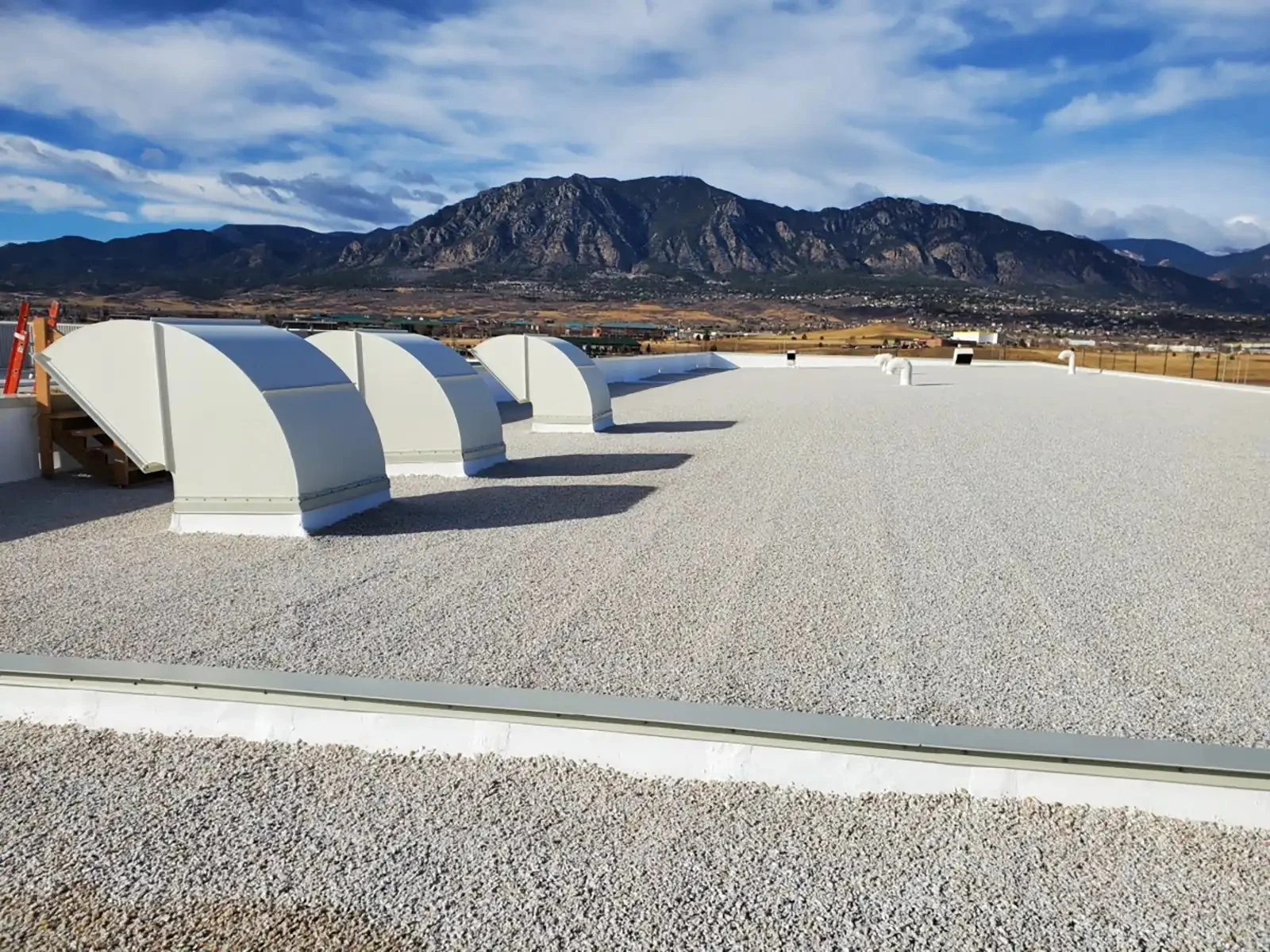
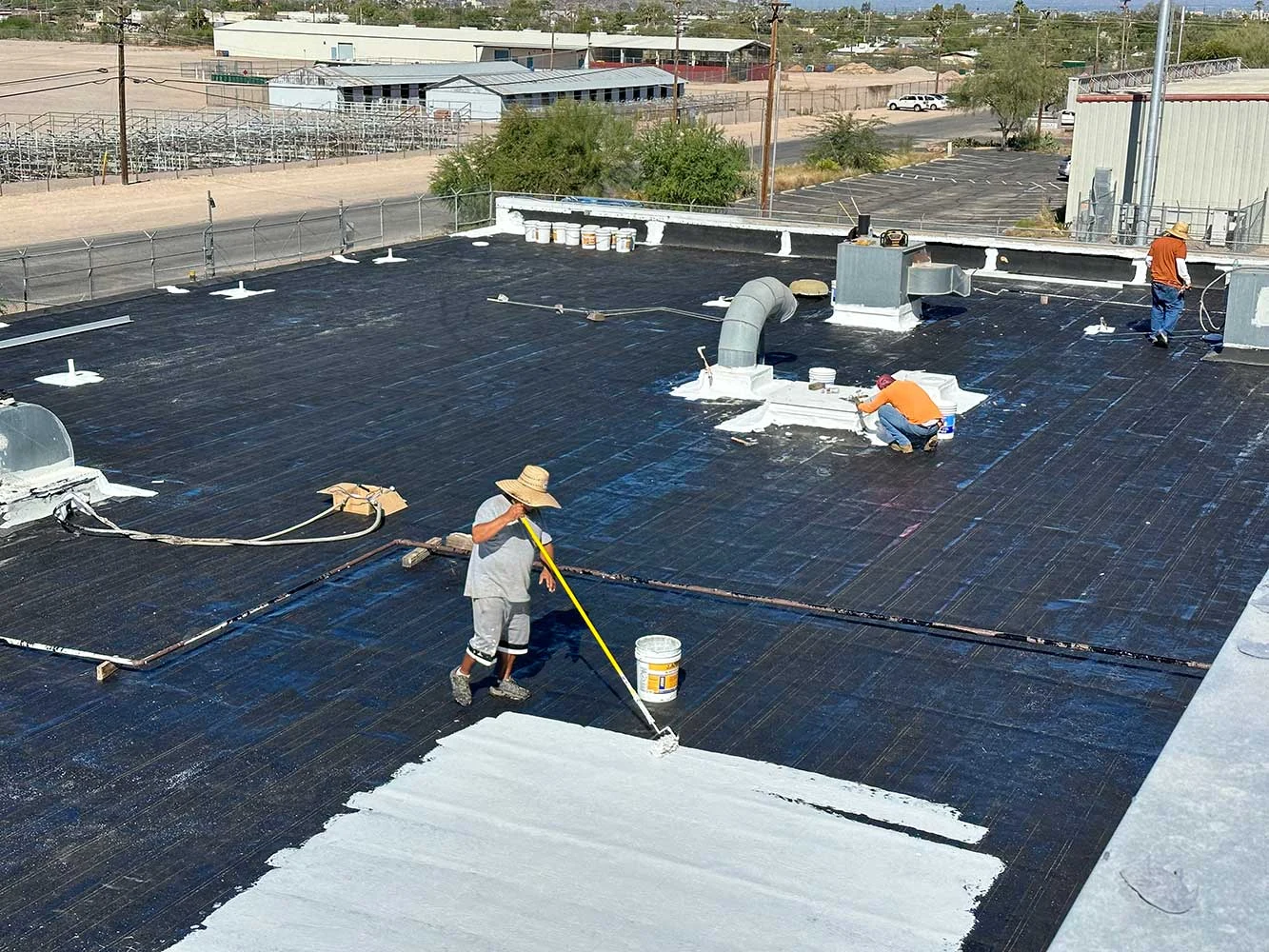
The top ply, or cap sheet, is what takes direct UV exposure and weathering, and it comes in a mineral-granulated finish or a smooth surface that usually gets a reflective coating. Granulated cap sheets hold up well to foot traffic and UV without added maintenance, which fits buildings with regular rooftop access for HVAC service. Smooth cap sheet with a coating needs that coating renewed on a maintenance cycle to keep its UV protection intact.
We spec granulated cap sheet on most of our mixed-use and mill-conversion jobs because it's lower maintenance over a 15 to 20-year horizon, even though the smooth-and-coated option has a lower upfront material cost.
Multi-Ply Redundancy for Snow and Ice
A modified bitumen system typically runs two or three plies: a base sheet, sometimes an interply sheet, and the cap sheet on top. That layered construction gives real redundancy against the freeze-thaw cycling Worcester winters put on a membrane, since a small breach in the top ply doesn't automatically mean water reaches the deck the way it can on a single-ply membrane with a compromised seam.
That redundancy comes with added weight, which we check against the building's structural capacity, especially on older mill and three-decker-adjacent commercial buildings where the deck wasn't designed with a multi-ply asphalt system's dead load in mind.
What we confirm before pricing a modified bitumen roof:
- Torch-applied or cold-applied, based on proximity to occupied space
- Number of plies and whether it's a full system or a cap sheet recover
- Cap sheet finish: granulated or smooth with reflective coating
- Structural load capacity for the added dead weight
- Flashing detail at parapets, drains, and roof-to-wall transitions
- Warranty terms and whether they cover labor or material only
Where It Competes With Built-Up Roofing
Modified bitumen and built-up roofing often get quoted against each other on the same older commercial buildings, since both are multi-ply asphalt-based systems suited to low-slope urban roofs. Modified bitumen generally installs faster and with less weight than a full gravel-surfaced built-up system, which is why it's become the more common choice on Worcester recover jobs over the last couple decades.
Detail Work at Parapets and Roof-to-Wall Transitions
Worcester's mixed-use blocks often have parapet walls, chimney stacks from old boiler systems, and roof-to-wall transitions where a lower commercial roof meets a taller adjoining residential structure. Every one of those transitions is a place where a modified bitumen system needs extra flashing courses and careful detail work, since a flat run of membrane across an open field is rarely where these roofs actually leak.
We spend more of the estimate time on these transition details than on the field membrane itself, because a well-installed cap sheet over a poorly flashed parapet will still leak at the first hard freeze-thaw cycle of the season.
Older masonry parapets on Worcester's mixed-use blocks also move slightly with seasonal temperature swings, and a rigid flashing detail that doesn't accommodate that movement tends to crack loose within a few winters. We use counterflashing and reglets designed to flex with the wall rather than fastening rigidly across a joint that's going to keep shifting year after year. That detail work adds time to the estimate, but it's the difference between a parapet that stays dry for twenty years and one that needs a re-flash every five.
Questions Worcester Owners Ask About Modified Bitumen
Is torch-applied roofing safe near residential buildings?
We use cold-applied or self-adhered systems instead of torch application on any site where occupied residential space sits close to the roof work.
How many plies does my roof actually need?
It depends on the existing roof condition and the structural load the building can carry. We size the system to both, not to a default number of layers.
Does granulated cap sheet need less maintenance than smooth cap sheet?
Generally yes. Granulated finish holds its UV protection without a recoat cycle, while smooth cap sheet needs its reflective coating renewed periodically.
Can modified bitumen be installed over an existing built-up roof?
Sometimes, if the existing roof's condition and the added weight both check out. We confirm both before recommending a recover over a tear-off.
How does modified bitumen handle a heavy snow winter?
The multi-ply construction gives redundancy against small breaches, but we still check drainage and parapet flashing since ponding and ice damming are more about roof geometry than membrane type.