

When a Recover Makes Sense on a Worcester Roof and When It Doesn't
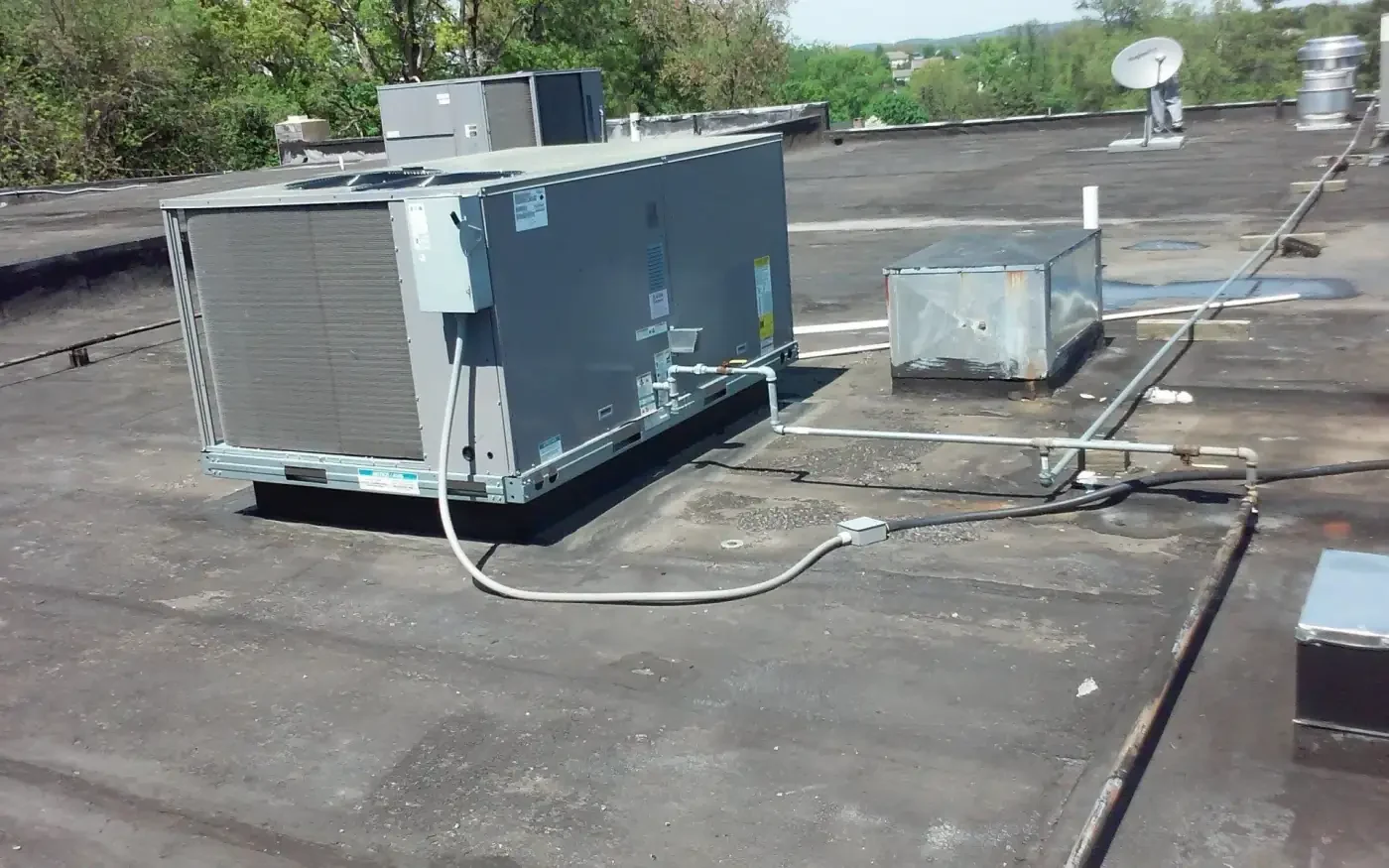
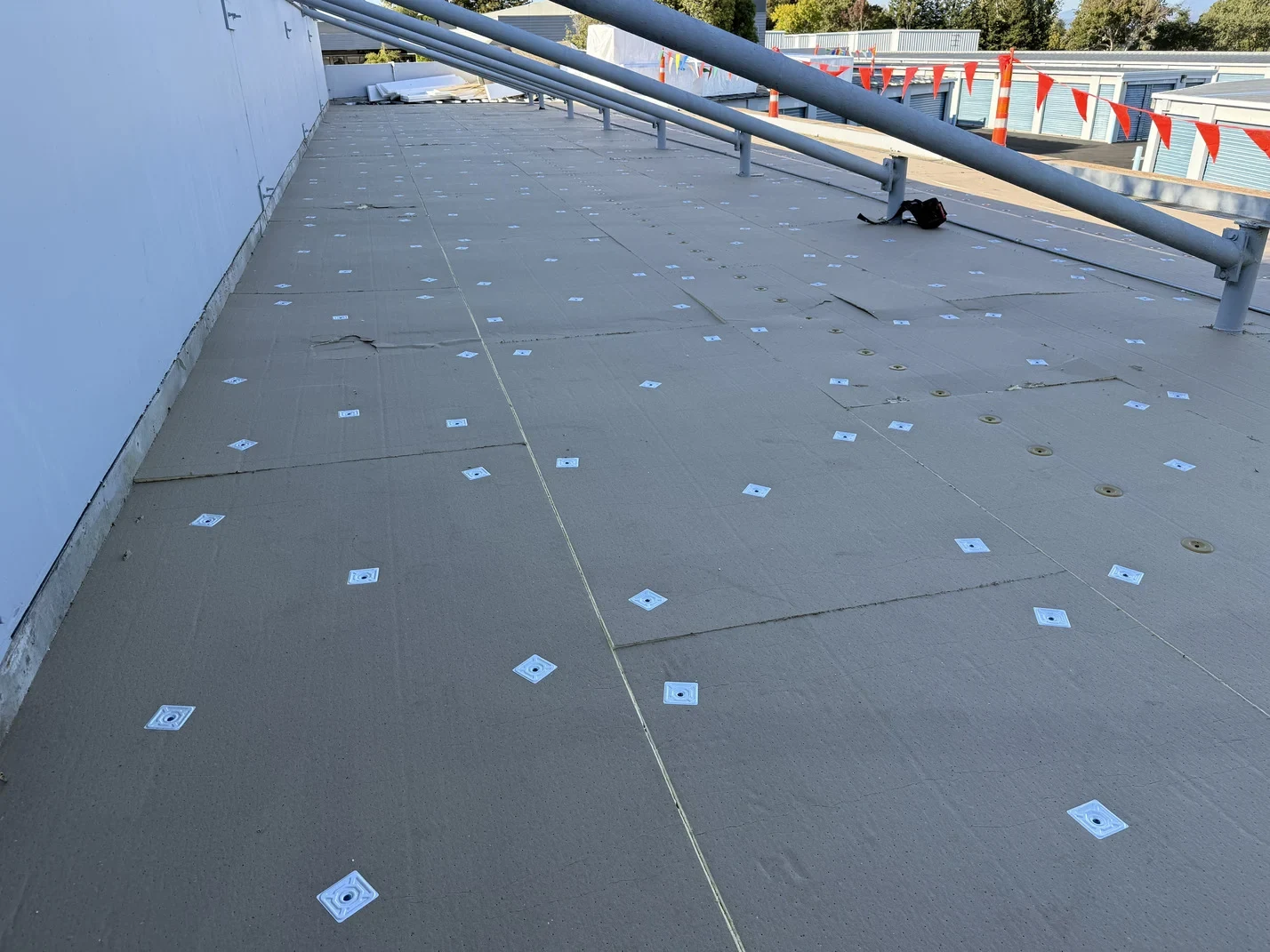
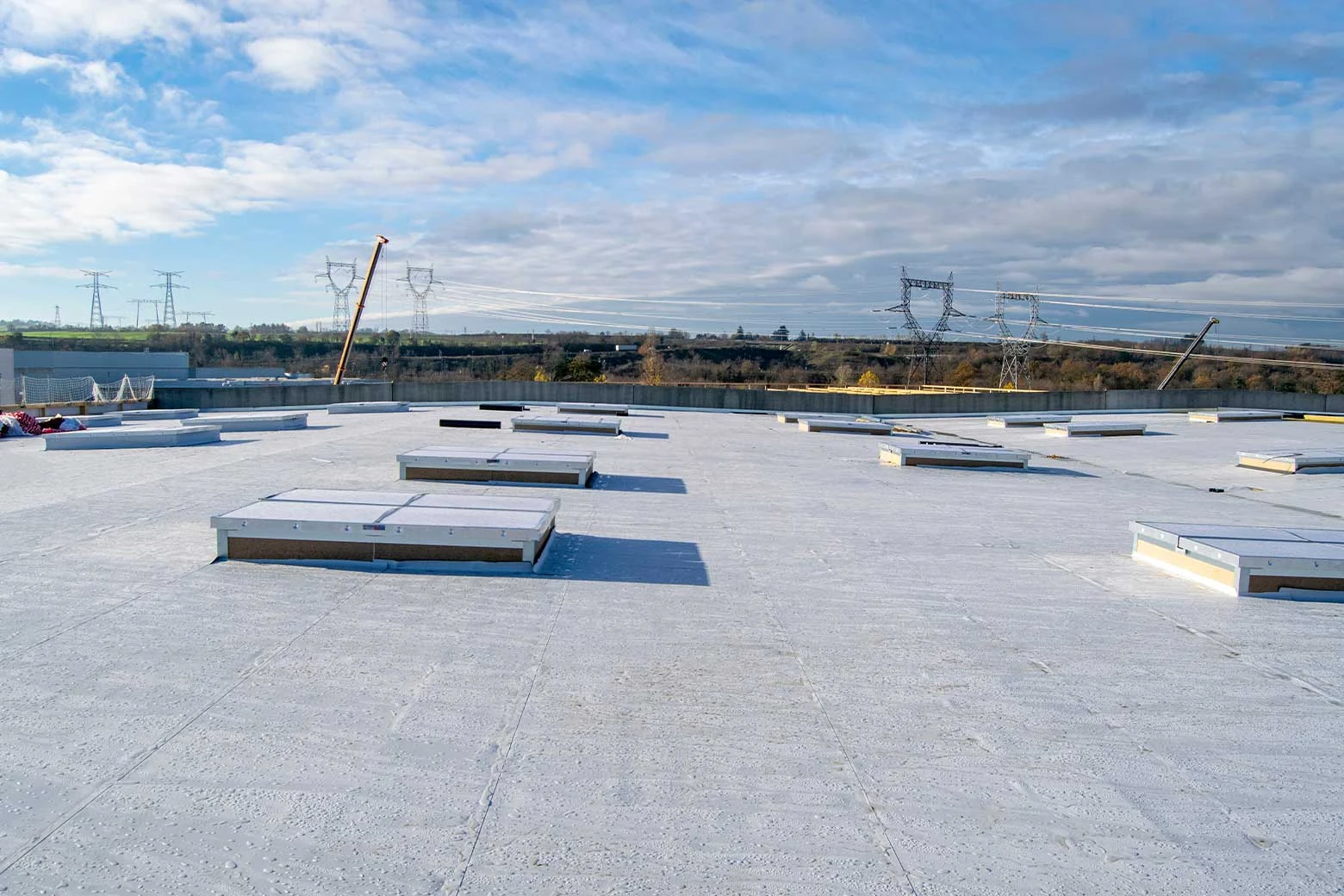
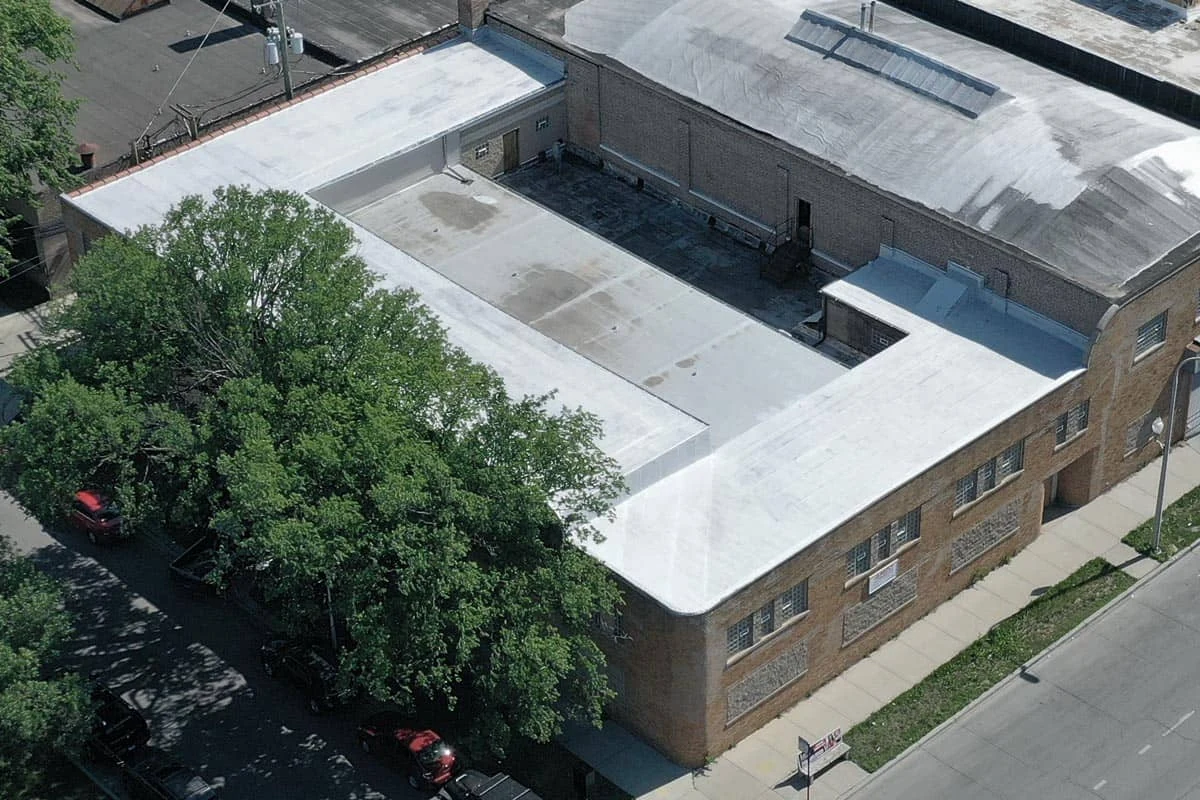
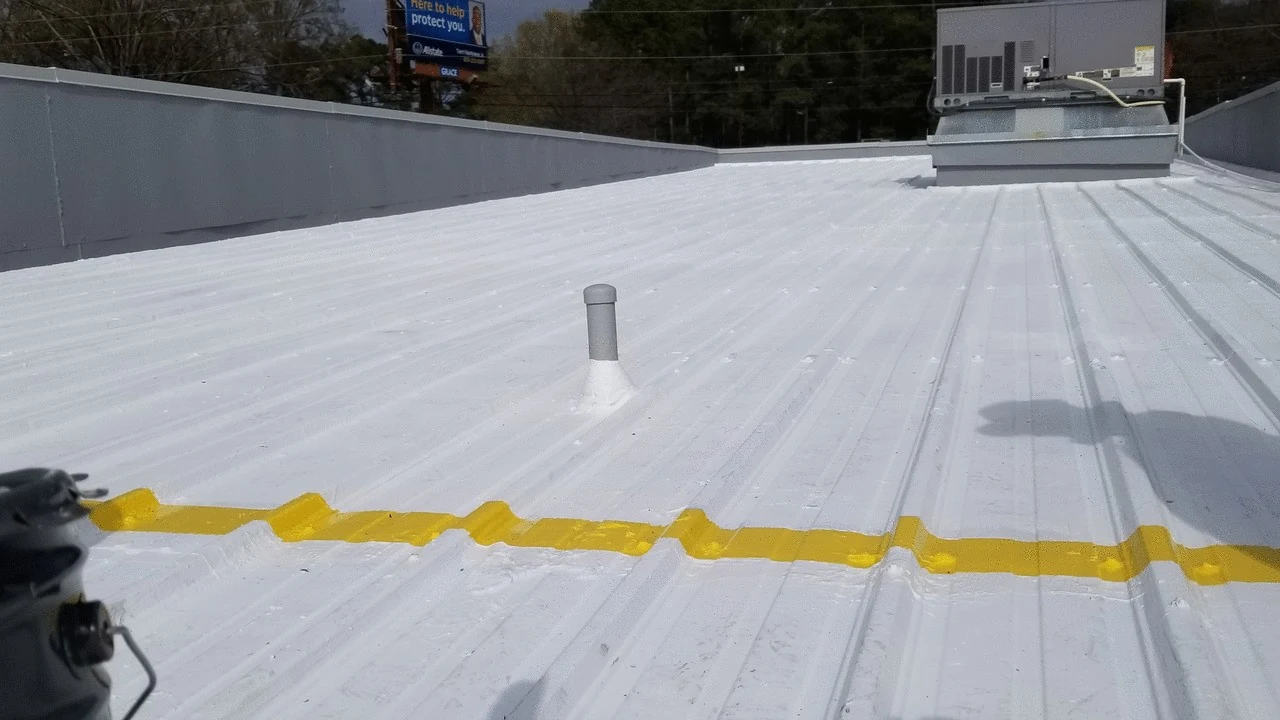
A recover installs a new membrane directly over an existing roof system instead of tearing the old one off first, and it costs less per square foot than a full replacement whenever it's a legitimate option. The decision comes down to three checks we run on every recover candidate before we quote it: code layer limits, structural load, and existing moisture condition.
The Code Limit on Roof Layers
Building code generally caps the number of roof layers a structure can carry, and once a roof has already been recovered once or twice, a tear-off often becomes the only legal option regardless of what the existing system's condition would otherwise allow. We check the roof's layer history before pricing anything, since a lot of Worcester's older mill and institutional buildings have been recovered multiple times over the decades and may already be at or past that limit.
Confirming layer count sometimes means cutting a small test section through the roof to physically count what's there, since building records for older structures don't always reflect every recover that's happened over the years.
Structural Load: The Number That Actually Stops Us
Every recover adds weight, and Worcester's snow load design requirements mean that added weight has to be evaluated against what the structure was originally built to carry, plus the snow load it sees every winter. This matters most on older buildings, brick mill conversions, and pre-war campus buildings where the deck and framing were designed for a lighter original roof assembly than what's sitting on it now after one or two prior recovers.
We've turned down recover jobs where the numbers didn't work, even when the existing roof looked like a reasonable recover candidate otherwise. Adding a layer that pushes a marginal structure past its safe capacity during a heavy snow winter isn't a risk worth the upfront savings.
Moisture Is the Silent Disqualifier
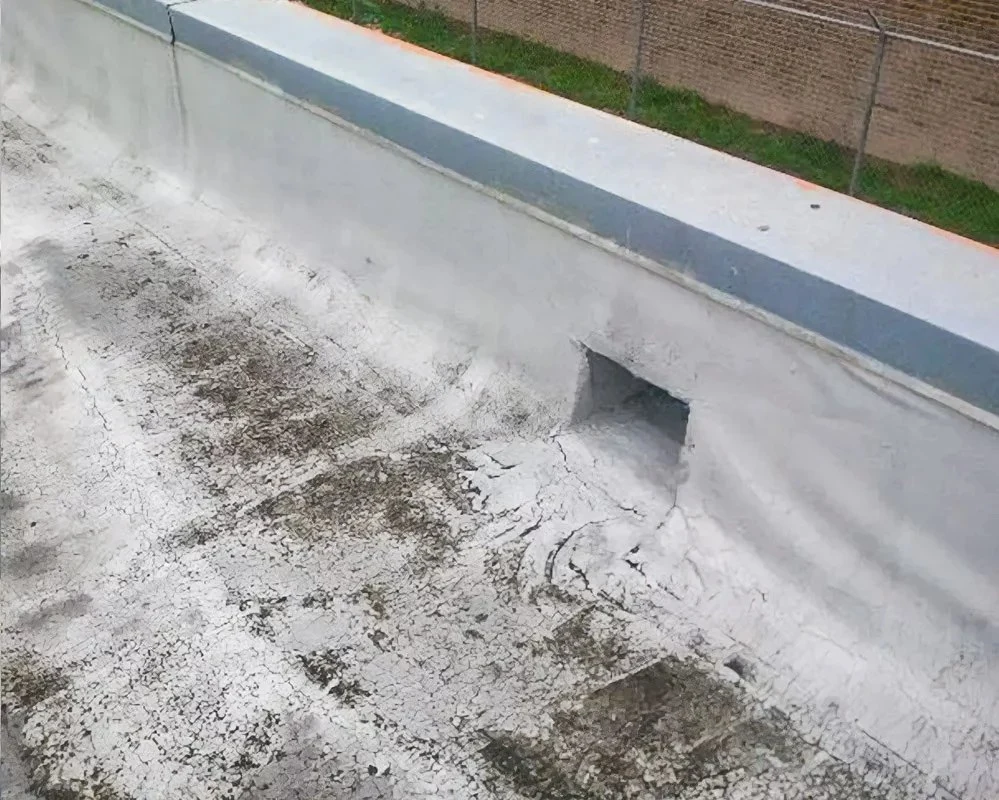
Trapped moisture in the existing insulation is the most common reason a recover fails within a few years of installation, since covering wet insulation with a new membrane traps that moisture permanently rather than letting it dry out. We check moisture content with a probe or infrared scan before recommending a recover, and any roof with significant trapped moisture gets recommended for tear-off instead, no matter how good the existing membrane looks on the surface.
What we check before recommending a recover over a full tear-off:
- Existing layer count against local code limits
- Structural load capacity against combined existing and added weight, including snow
- Moisture content in the existing insulation, checked by probe or scan
- Drainage condition and whether ponding water is already present
- Insulation R-value and whether tapered ISO can improve drainage in the recover
- Warranty implications of recovering versus a fresh full-system install
Tapered Insulation and Stacking R-Value
A recover is also a chance to correct drainage problems that a straight membrane replacement wouldn't address, by adding tapered ISO insulation above the existing roof to build slope toward drains that a flat original deck never had. That tapered layer adds R-value on top of whatever insulation is already in place, which can meaningfully improve a building's energy performance as a byproduct of solving a ponding problem.
We calculate the combined R-value of the existing insulation plus the new tapered layer against current energy code requirements, since a recover that doesn't meet current insulation standards can create compliance issues on a building permit application.
Cost Per Square Foot: Recover vs Full Replacement
A straightforward recover typically runs meaningfully less per square foot than a full tear-off and replacement, since labor and disposal costs for removing the old roof are the biggest line items in a full replacement. That gap shrinks fast once tapered insulation, extensive flashing rework, or structural reinforcement enter the scope, which is why we price both options side by side rather than assuming recover is always the cheaper path.
Scheduling a Recover Around an Occupied Building
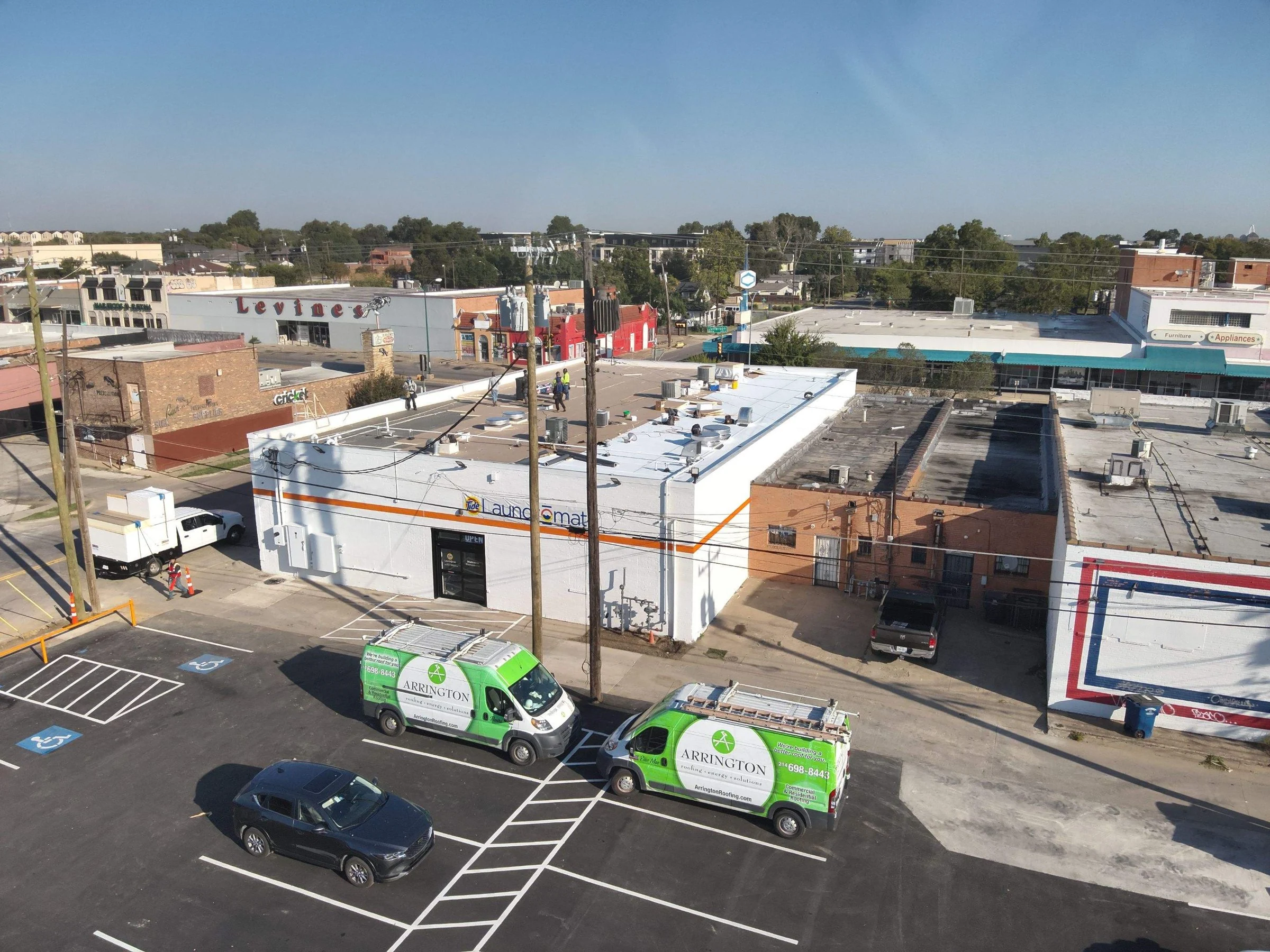
A recover generally disrupts operations less than a full tear-off, since there's no period where the deck is exposed to weather during demolition. That matters on occupied hospital, lab, and college buildings across Worcester where a facility can't tolerate an open roof deck during an active nor'easter or a stretch of freezing rain. We sequence recover work in sections on larger occupied buildings so no more roof area than necessary is in an intermediate, partially-complete state at any point during the project.
Questions Worcester Owners Ask About Recover vs Tear-Off
How do I know if my roof already has too many layers?
We check building records where available and confirm with a test cut through the roof if the history isn't clear, since older buildings don't always have complete records.
Can a recover fix my roof's drainage problem?
Often yes, by adding tapered insulation above the existing roof to build slope toward drains, which a straight membrane replacement over the same flat deck wouldn't fix.
What happens if you find trapped moisture during inspection?
We recommend a tear-off instead of a recover, since covering wet insulation traps moisture permanently and the roof will fail again within a few years.
Is a recover always the cheaper option?
Usually per square foot, but the gap narrows once tapered insulation, structural work, or extensive flashing repair enter the scope, so we price both paths before recommending one.
Does adding a recover layer affect my structure's snow load capacity?
Yes, every added layer is weight the structure has to carry through winter snow accumulation, and we check that math before recommending a recover on any building.